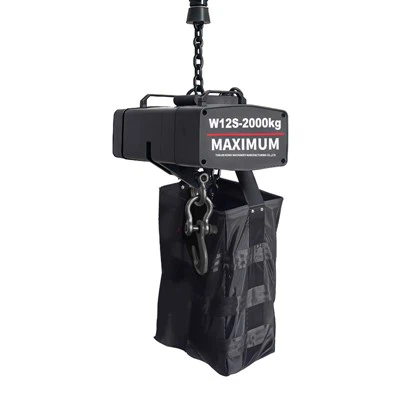
As a supplier of stage chain hoists, I’ve witnessed firsthand the significant role temperature plays in the performance and longevity of these crucial pieces of equipment. Stage chain hoists are widely used in various entertainment and industrial settings, from theaters and concert halls to warehouses and construction sites. Understanding the impact of temperature on these hoists is essential for ensuring their safe and efficient operation. Stage Chain Hoist
High – Temperature Impact
Mechanical and Structural Changes
When exposed to high temperatures, the materials of a stage chain hoist can undergo significant changes. For instance, the metal components, such as the chain and the gears, may expand. This thermal expansion can lead to misalignments within the hoist mechanism. The chain, which is a critical part of the hoist, may become looser or tighter than normal. If it becomes too loose, it can slip off the sprockets, causing the load to fall unexpectedly, which is extremely dangerous. On the other hand, if it becomes too tight, it can put excessive stress on the sprockets and other moving parts, leading to premature wear and tear.
The lubricants used in the hoist also degrade more rapidly at high temperatures. Lubricants are essential for reducing friction between moving parts, ensuring smooth operation. When the temperature rises, the viscosity of the lubricant decreases, which means it becomes thinner. This can result in insufficient lubrication, leading to increased friction, heat generation, and ultimately, mechanical failure. For example, in a hot summer concert venue where the stage chain hoist is in continuous use, the lubricant may break down quickly, causing the hoist to become noisy and less efficient.
Electrical Components
Many modern stage chain hoists are equipped with electrical controls and motors. High temperatures can have a detrimental effect on these electrical components. The insulation of the wires can deteriorate, increasing the risk of short – circuits. The electronic control boards may also malfunction due to overheating. In extreme cases, this can lead to a complete failure of the hoist’s electrical system, rendering the hoist inoperable. For example, in a large – scale outdoor event where the stage chain hoist is exposed to direct sunlight for extended periods, the electrical components may overheat, causing the hoist to stop working during a performance.
Low – Temperature Impact
Brittleness of Materials
At low temperatures, the metal components of the stage chain hoist become more brittle. The chain, which is typically made of steel, can lose its ductility and become more prone to cracking. This is a serious safety concern as a cracked chain can break under load, resulting in a catastrophic failure. For example, in a cold – storage warehouse where the temperature is well below freezing, the chain of a stage chain hoist may become brittle and break if it is subjected to sudden shock or excessive load.
Lubricant Viscosity
Just as high temperatures can cause lubricants to thin, low temperatures can cause them to thicken. When the lubricant becomes too thick, it can impede the movement of the hoist’s moving parts. The gears may not rotate smoothly, and the chain may not move freely. This can lead to increased energy consumption as the motor has to work harder to overcome the resistance. In some cases, the hoist may even get stuck, requiring manual intervention to get it moving again. For instance, in a winter outdoor theater production, the low temperatures can cause the lubricant in the stage chain hoist to thicken, making it difficult to lift and lower the stage props.
Battery Performance (if applicable)
Some stage chain hoists are battery – powered. Low temperatures can significantly reduce the performance of the batteries. The chemical reactions that generate electricity within the battery slow down at low temperatures, resulting in a decrease in the battery’s capacity and output voltage. This can lead to a shorter operating time for the hoist and may even prevent it from starting if the battery voltage drops too low. For example, in a cold – weather outdoor event, a battery – powered stage chain hoist may not be able to lift heavy loads due to the reduced battery performance.
Mitigating the Impact of Temperature
Temperature – Resistant Materials
One way to mitigate the impact of temperature is to use temperature – resistant materials in the construction of the stage chain hoist. For example, some manufacturers use special alloys for the chain and gears that have a lower coefficient of thermal expansion, reducing the risk of misalignment due to temperature changes. Additionally, high – temperature – resistant lubricants can be used to ensure proper lubrication even in hot environments.
Environmental Control
In indoor settings, such as theaters and concert halls, environmental control systems can be used to maintain a stable temperature. This helps to protect the stage chain hoist from extreme temperature variations. For outdoor events, temporary enclosures or shelters can be used to shield the hoist from direct sunlight or cold winds.
Regular Maintenance
Regular maintenance is crucial for ensuring the proper functioning of the stage chain hoist in different temperature conditions. This includes checking the lubricant levels, inspecting the chain and other components for signs of wear and tear, and testing the electrical components. Maintenance schedules may need to be adjusted based on the temperature environment in which the hoist is operating.
Conclusion

Temperature has a profound impact on the performance and safety of stage chain hoists. High temperatures can cause mechanical and electrical failures, while low temperatures can lead to brittleness and lubrication issues. As a supplier of stage chain hoists, it is our responsibility to educate our customers about these temperature – related risks and provide solutions to mitigate them.
Stage Hoist Controller If you are in the market for a stage chain hoist or need more information about how to ensure the proper operation of your existing hoist in different temperature conditions, we are here to help. Our team of experts can provide you with detailed advice and support to meet your specific needs. Contact us to start a conversation about your stage chain hoist requirements.
References
- Machinery’s Handbook, 31st Edition. This comprehensive reference book provides in – depth information on the properties of materials and the effects of temperature on mechanical components.
- Industry standards and guidelines for stage equipment, which often include information on the temperature limitations and requirements for stage chain hoists.
Tianjin Kemei Machinery Manufacturing Co., Ltd.
As one of the leading stage chain hoist suppliers in China, we warmly welcome you to wholesale discount stage chain hoist made in China here from our factory. All customized products are with high quality and competitive price.
Address: Jinzhong Science and Technology Park, Dongli District, Tianjin City, China
E-mail: mandy@kemeihoist.com
WebSite: https://www.chinastagehoist.com/
