Hey there, fellow haulers, construction crew chiefs, and anyone who’s ever stared at a dump semi-trailer and thought, “Wait—what can I actually tow this thing with?” As someone who’s been selling dump semi-trailers for over a decade, I get this question all the time. Like, sure, you’ve got your standard big rig, but what about that work truck you already own? Or a smaller utility truck? Or even that heavy-duty pickup you use for jobs around the yard? Let’s break this down straight—no corporate jargon, just the real stuff I tell my customers when they call and ask. Dump Semi-trailer
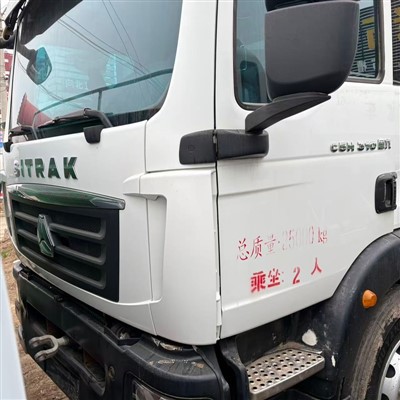
First off, let’s make sure we’re on the same page about what a dump semi-trailer actually is. It’s not the little dump bed on the back of a pickup you see moving mulch for a weekend project. No, this is the big rig you see at construction sites, mining operations, or waste management yards—usually 20 to 40 feet long, built to carry 10 to 20+ tons of gravel, dirt, demolition debris, or construction waste. It’s a trailer, not a standalone truck, so it needs a towing vehicle with the right equipment to connect to it. That connection isn’t just a hitch—this is a semi-trailer, so it uses a fifth-wheel coupling, right? That’s that big U-shaped plate on the back of a semi-tractor that locks into the kingpin under the trailer. Easy enough, but the real game here is weight. Towing stuff isn’t just about “can the hook hold it”—it’s about weight ratings, and if you mess that up, you’re not just risking a ticket—you could crash, damage your truck or trailer, and even hurt someone.
Now, let’s talk about the main question: can you tow this with different types of trucks? The short answer is… sort of, but only if it’s the right truck for the job. Not every truck is cut out for this, and cutting corners here is where people get into trouble. Let’s run through the most common types of trucks folks ask about, and what you actually need to know for each.
First, the obvious one: a standard class 8 semi-tractor. That’s the big 18-wheelers you see on the highway. This is the OG for towing dump semi-trailers. Most of our customers who need to haul full loads of heavy material (like 18 tons of rock or construction debris) use these. Why? Because class 8 tractors are built for high gross combination weight (GCW)—that’s the total weight of the truck, trailer, and cargo combined. A typical class 8 semi can handle a GCW of 80,000 pounds, which is the legal limit in most US states. That’s exactly what you need for a fully loaded dump semi-trailer. The fifth wheel is standard on these, they’ve got the torque to get up hills with a heavy load, and they’re designed for long hauls or multiple trips a day on worksites and highways. This is the safe, reliable pick for most professional operations—no debate here.
Next up: a class 7 medium-duty truck. Wait, what’s that? Think a 6- or 7-ton work truck, like the Freightliner M2 or International MV—these are common for local construction crews, waste haulers, or landscaping companies that don’t need to go cross-country. Can this tow a dump semi-trailer? The answer is: only if the trailer is light and empty. Let’s get specific here. A standard class 7 truck has a GCW rating of around 33,000 pounds to 40,000 pounds. An empty dump semi-trailer itself weighs between 10,000 and 15,000 pounds. So if you do the math, that leaves you with 18,000 to 23,000 pounds left for cargo. That’s doable if you’re hauling light stuff like mulch, topsoil, or yard waste—stuff that doesn’t hit the 20-ton mark. But if you’re loading it up with gravel, concrete, or demolition debris? You’re way over that GCW limit, which is illegal, dangerous, and will put way too much strain on the class 7 truck’s brakes, engine, and transmission. I’ve had a customer try this last year—he’s a small landscaping owner, thought he’d save money by using his existing class 7 instead of renting a semi. He loaded up 15 tons of rock, got 2 miles down the road, blew a brake line, and ended up stuck on a side street. Cost him way more than he would have paid for a proper semi rental, and he had to delay a big job for a client. Don’t be that guy.
Then there’s the one I get asked about more than any other lately: a heavy-duty pickup truck (like a Ford F-450, Ram 3500, or Chevy Silverado 3500). Now, these things are beasts—they can tow a lot, right? But can they tow a dump semi-trailer? Let’s be clear: a heavy-duty pickup can tow a tiny dump semi-trailer—like a 10-foot or 12-foot pup trailer, not the standard 20+ foot semi you’re probably thinking of. Wait, what’s a pup trailer? It’s a smaller dump semi-trailer, usually around 10 to 15 feet long, designed to pair with another trailer for double hauls. But if you’re talking about a full-size, full-length dump semi-trailer? No way. The GCW on a 3500-series Ram is around 35,000 pounds max. A full-size empty dump semi is 12,000+ pounds, so that leaves you with 23,000 pounds for cargo. Again, if you’re hauling light stuff that adds up to that? Maybe, but most people using a dump semi-trailer are hauling heavy, dense material that hits 100+ pounds per cubic foot. A cubic yard of gravel is almost 3,000 pounds. So a 10-cubic-yard load is 30,000 pounds—add the empty trailer weight, and you’re already at 42,000 pounds, way over a 3500’s GCW. Also, heavy-duty pickups use a gooseneck or bumper hitch, not a fifth wheel—you can’t put a fifth wheel on a pickup bed without a big aftermarket install, and even then, most 1-ton pickups aren’t rated for the high tongue weight a full-size dump semi puts on the hitch. I’ve seen people try this, too—they end up with a trailer that’s swaying all over the road, hard to stop, and way more dangerous than it’s worth. The only exception is if you have a super short, light-duty pup trailer for occasional small jobs—like moving a few tons of mulch for a residential landscaping project. But if you’re doing commercial work? Pass on the pickup.
Wait, what about other types? Like a tow tractor for yard work? Or a smaller box truck? No, those are even worse. A box truck’s GCW is around 26,000 pounds, so even empty, you’re already cutting it close with the trailer weight—add cargo, and you’re illegal and unsafe. Yard tractors are built for moving pallets around a lot, not for towing heavy, long trailers on public roads. Skip those.
Now, let’s talk about the non-truck stuff people sometimes ask about—like a large SUV? Or a van? C’mon, now. A full-size SUV has a tow rating of like 10,000 pounds max. That’s enough for a small camper, not a 10-ton trailer. No way. Save that question for your next road trip, not your construction job.
But here’s the thing I always tell customers: it’s not just about the towing vehicle’s rating. There’s a whole list of other factors that matter, and most people overlook them. First, the trailer’s axles and brakes. Most dump semi-trailers have multiple axles (usually 2 or 3) to distribute weight, but they also need trailer brakes that work with the towing vehicle’s brake system. Even if your truck has enough power to pull the load, if the trailer’s brakes are weak, you won’t be able to stop in time—and that’s a huge liability. Second, the coupling system. Fifth wheels are non-negotiable for full-size dump semi-trailers. A gooseneck or bumper hitch won’t handle the vertical and horizontal forces of a heavy trailer, and you risk the trailer coming loose or jackknifing. Third, weight distribution. Even if you’re within the GCW limit, you have to distribute the cargo evenly on the trailer. If you load all the dirt or gravel at the back of the trailer, it will make the front of the trailer light, which makes it sway all over the road. Load it too far forward, and you put too much weight on the towing vehicle’s back axle, making it hard to steer. I always make sure my customers know this—we send a little cheat sheet with every trailer that shows how to balance the load.
Another big one: legal limits. Every state has a maximum GCW limit for combination vehicles, and each axle has a weight limit too. If you’re towing a dump semi-trailer, you can’t just load as much as your truck can physically pull—you have to stay within state laws. A lot of new haulers don’t realize this, so they load up their trailer and get a huge fine when they cross a state line. Last year, I had a customer in Ohio who got pulled over in Indiana for being 12,000 pounds over the axle limit. That fine was $1,200, plus he had to unload some of the material at a weigh station, which cost him another $800 in labor. Total waste of money, all because he didn’t check the weight laws before he hit the road.
Wait, so is there any upside to towing a dump semi-trailer with a non-standard truck? Like, can you make it work for small, occasional jobs? Let’s be real—if you’re a small business owner who only needs to haul a few tons of material once a month, not 5 times a week, maybe you can rent a class 8 semi when you need it, instead of buying one. That’s what a lot of my customers do. They own their dump semi-trailer, and for regular jobs, they use their own class 8 tractor, and for the odd small job, they rent a heavy-duty pickup to pull a pup trailer. Or, if you’re only doing residential work, maybe a smaller dump trailer pulled by a heavy-duty pickup is enough—no need for a semi at all. The key is matching the equipment to your actual job needs, not just buying a big trailer because it sounds like it can hold more.
As a supplier, I’ve seen every mistake in the book when it comes to pairing dump semi-trailers with towing vehicles. I’ve had customers buy a full-size trailer and try to pull it with a pickup, only to bring it back a week later because it was too hard to handle. I’ve had guys go way over weight limits because they thought “more is better,” and end up in accidents that totaled their truck and trailer. The good news is, most of these mistakes are avoidable—if you just do your research, or ask someone who actually knows the equipment before you buy.
Here’s my advice, plain and simple: if you’re doing commercial construction, mining, or waste hauling, and you need to haul full loads of heavy material regularly, get a class 8 semi-tractor. It’s the only truck that’s built to handle the consistent, heavy loads you’ll be pulling, and it will save you time, money, and stress in the long run. If you’re a small local crew doing light loads occasionally, look at a class 7 truck, or even a light-duty dump trailer paired with a heavy-duty pickup—don’t waste money on a full-size dump semi-trailer you can’t safely tow. And for anyone who tries to cut corners and use a smaller truck for heavy loads? Don’t do it. The risk isn’t worth it.
At the end of the day, a dump semi-trailer is a workhorse, but like any workhorse, it needs the right rig to pull it. You wouldn’t try to pull a plow with a garden tractor, right? Same logic here. Match your towing vehicle to your trailer’s size, weight, and your job requirements, and you’ll be hauling material safely and efficiently for years.
If you’re in the market for a new or used dump semi-trailer, or you want to chat about what towing setup would work best for your specific jobs, feel free to reach out. I’ve helped hundreds of customers pick the right equipment, and I’m happy to help you too. Don’t guess—get the right gear for the job.
Second Hand Mixer Truck References:
- National Truck Equipment Association. Medium-Duty and Heavy-Duty Truck Weight Rating Standards, 2022.
- Federal Motor Carrier Safety Administration. Gross Combination Weight (GCW) and Axle Weight Limits for Combination Vehicles, 2023.
- Truck Manufacturers Association. Towing Capacity and Fifth-Wheel Coupling Specifications for Semi-Tractors, 2021.
Liangshan Guanyue Auto Trading Co., Ltd.
As one of the leading dump semi-trailer manufacturers and suppliers in China, we warmly welcome you to buy bulk high quality dump semi-trailer at low price from our factory. If you have any enquiry about pricelist and quotation, please feel free to email us.
Address: Liangshan County, Jining City, Shandong Province
E-mail: guanyuetruck@gmail.com
WebSite: https://www.gytruck.com/
