As a supplier of high-pressure washers, I often encounter customers who are confused about the differences between direct-drive and belt-drive high-pressure washers. This article aims to provide a comprehensive comparison of these two types of high-pressure washers, helping you make an informed decision when choosing the right one for your needs. High Pressure Washer
Operating Principles
Let’s start with the basic operating principles of direct-drive and belt-drive high-pressure washers.
Direct-Drive High-Pressure Washers
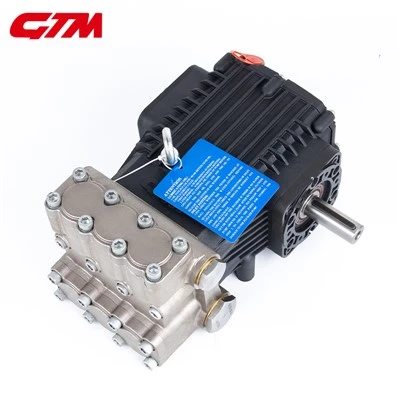
In a direct-drive high-pressure washer, the pump is directly attached to the motor shaft. This direct connection means that the pump rotates at the same speed as the motor. Since electric motors typically run at high speeds, usually around 3450 RPM (revolutions per minute), the pump in a direct-drive system also operates at this high speed. The high rotational speed allows for a relatively compact design, as there is no need for additional components like belts and pulleys to transfer power.
Belt-Drive High-Pressure Washers
A belt-drive high-pressure washer, on the other hand, uses a belt and pulley system to transfer power from the motor to the pump. The belt connects the motor pulley to the pump pulley. By using different-sized pulleys, the speed of the pump can be adjusted independently of the motor speed. This allows the pump to run at a lower speed, often around 1725 RPM. The belt acts as a buffer between the motor and the pump, reducing the stress on the pump and other components.
Performance and Power
Water Pressure and Flow Rate
Both direct-drive and belt-drive high-pressure washers can provide sufficient water pressure and flow rate for various cleaning tasks. However, belt-drive models generally have an advantage in terms of long-term performance. The lower operating speed of the pump in a belt-drive system reduces wear and tear on the internal components, allowing it to maintain consistent water pressure and flow rate over a longer period.
Direct-drive high-pressure washers, with their high-speed operation, can deliver high initial pressure and flow rate. But over time, the increased wear on the pump can lead to a decrease in performance. For light to medium-duty cleaning tasks that don’t require continuous operation, a direct-drive high-pressure washer can provide adequate power. However, for heavy-duty and commercial applications where continuous and consistent performance is crucial, a belt-drive high-pressure washer is often the better choice.
Power Efficiency
In terms of power efficiency, belt-drive high-pressure washers have an edge. The belt and pulley system allows the motor to operate at a more efficient speed while reducing the load on the pump. This results in less energy consumption and lower operating costs over time. Direct-drive high-pressure washers, due to the high-speed rotation of the pump, may consume more energy, especially during extended use.
Durability and Maintenance
Durability
Belt-drive high-pressure washers are generally more durable than direct-drive models. The lower operating speed of the pump reduces the mechanical stress on the internal components, such as seals, valves, and pistons. This results in less wear and tear, and a longer lifespan for the pump. Additionally, the belt acts as a shock absorber, protecting the pump from sudden jolts and vibrations that could damage the components.
Direct-drive high-pressure washers, with their high-speed operation, are more prone to wear and tear. The constant high-speed rotation can cause the seals and valves to wear out more quickly, leading to leaks and reduced performance. However, for occasional or light use, a direct-drive high-pressure washer can still provide reliable service.
Maintenance
Direct-drive high-pressure washers typically require less maintenance than belt-drive models. Since there are no belts or pulleys to inspect or replace, the maintenance tasks are relatively simple. Regular maintenance mainly involves checking the oil level, cleaning the filters, and inspecting the hoses and connections for leaks.
Belt-drive high-pressure washers, on the other hand, require more frequent maintenance. The belts need to be checked regularly for tension and wear, and replaced when necessary. The pulleys also need to be inspected for damage or misalignment. However, the additional maintenance is often worth it, considering the longer lifespan and better performance of the belt-drive system.
Noise and Vibration
Noise Levels
Belt-drive high-pressure washers are generally quieter than direct-drive models. The belt and pulley system acts as a buffer, reducing the transmission of noise from the motor to the pump. Additionally, the lower operating speed of the pump in a belt-drive system produces less noise.
Direct-drive high-pressure washers, with their high-speed operation, tend to be louder. The direct connection between the motor and the pump allows the noise to be transmitted more directly, resulting in a louder overall operating noise.
Vibration
Belt-drive high-pressure washers also have an advantage in terms of vibration. The belt and pulley system helps to absorb and dampen the vibrations generated by the motor and the pump. This results in a more stable and quieter operation, reducing the risk of damage to the equipment and making it more comfortable to use.
Direct-drive high-pressure washers, due to the direct connection between the motor and the pump, can produce more vibrations. These vibrations can be felt through the handle and the entire machine, making it less comfortable to operate for extended periods.
Cost
Initial Cost
Direct-drive high-pressure washers are generally less expensive than belt-drive models. The simpler design and fewer components result in a lower manufacturing cost, which is reflected in the price. For consumers on a budget or those who only need a high-pressure washer for occasional use, a direct-drive high-pressure washer can be a cost-effective option.
Long-Term Cost
When considering the long-term cost, belt-drive high-pressure washers may be more economical. The lower energy consumption, longer lifespan, and reduced maintenance requirements can offset the higher initial cost over time. For commercial users or those who need a high-pressure washer for heavy-duty and continuous use, the long-term savings of a belt-drive high-pressure washer can be significant.
Applications
Direct-Drive High-Pressure Washers
Direct-drive high-pressure washers are suitable for light to medium-duty cleaning tasks. They are commonly used in residential settings for cleaning cars, patios, decks, and small boats. Their compact size and relatively low cost make them a popular choice for homeowners who need a high-pressure washer for occasional use.
Belt-Drive High-Pressure Washers
Belt-drive high-pressure washers are designed for heavy-duty and commercial applications. They are commonly used in industrial settings for cleaning large vehicles, machinery, warehouses, and construction sites. The long lifespan, consistent performance, and lower operating costs make them a reliable choice for businesses that require a high-pressure washer for continuous and demanding use.
Conclusion
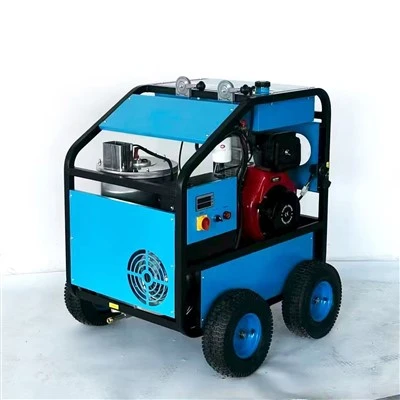
In conclusion, both direct-drive and belt-drive high-pressure washers have their own advantages and disadvantages. The choice between the two depends on your specific needs, budget, and the type of cleaning tasks you need to perform. If you only need a high-pressure washer for occasional light to medium-duty cleaning, a direct-drive high-pressure washer may be the right choice for you. However, if you require a high-pressure washer for heavy-duty and continuous use, a belt-drive high-pressure washer is likely to provide better performance, durability, and long-term value.
Surface Cleaner As a supplier of high-pressure washers, we offer a wide range of direct-drive and belt-drive models to meet your needs. Our team of experts can help you choose the right high-pressure washer for your specific application. If you are interested in learning more about our products or would like to place an order, please feel free to contact us to discuss your requirements.
References
- Engineering Principles of High-Pressure Cleaning Equipment – A textbook on the engineering behind high-pressure washers.
- Consumer Reports on High-Pressure Washers – A collection of consumer reviews and performance evaluations of different high-pressure washer models.
Zhejiang GTM Hi-Tech Intelligent Equipment Co., Ltd.
We are one of the most experienced high pressure washer manufacturers and suppliers in China, also support customized service. Please feel free to buy discount high pressure washer for sale here from our factory. Quality products and reasonable price are available.
Address: No.5 of Changjiang Road, 2nd Economic Development Zone of Wenling, Zhejiang, China
E-mail: yehuanting1@hongyemfg.com
WebSite: https://www.gtmplungerpump.com/
