Hey there! As a TPEE supplier, I often get asked about the big question: How to choose between TPEE and TPU? It’s a common dilemma in the plastics and elastomers world, and I’m here to break it down for you in plain English. TPEE
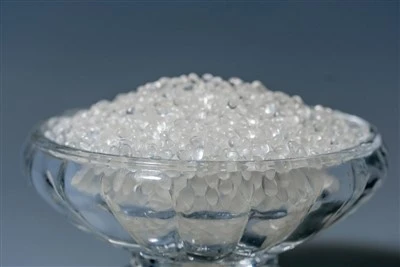
What Are TPEE and TPU Anyway?
First off, let’s get the basics straight. TPEE stands for Thermoplastic Polyester Elastomer, and TPU is short for Thermoplastic Polyurethane. Both are thermoplastics, which means they can be melted and reshaped multiple times. This gives them a big advantage over traditional rubbers that need to be vulcanized and can’t be easily recycled.
TPEE is known for its excellent mechanical properties, like high strength, good toughness, and great elasticity. It also has a high resistance to heat, chemicals, and abrasion. On the other hand, TPU is super flexible, has good abrasion resistance, and offers a wide range of hardness levels. It’s often used in applications where flexibility and comfort are key.
Performance Comparison
Mechanical Properties
When it comes to mechanical performance, TPEE is a real powerhouse. It has a high tensile strength, which means it can withstand a lot of pulling force without breaking. This makes it ideal for applications like automotive parts, where components need to be strong and durable. For example, TPEE can be used in CVJ boots (constant velocity joint boots) because it can handle the high stresses and strains that occur during normal driving.
TPU, while also strong, is more flexible. It has a lower modulus of elasticity compared to TPEE, which means it can stretch more easily. This flexibility makes TPU a great choice for products like shoe soles, where you want the material to conform to the shape of your foot and provide a comfortable fit.
Temperature Resistance
TPEE has a higher heat resistance than TPU. It can withstand continuous use at temperatures up to 150°C (302°F) and short-term exposure to even higher temperatures. This makes it suitable for applications in hot environments, such as engine compartments in cars or industrial machinery that generates a lot of heat.
TPU, on the other hand, starts to soften at relatively lower temperatures. While some high-performance TPUs can withstand temperatures up to around 80 – 120°C (176 – 248°F), they are generally not as heat-resistant as TPEE. So, if your application involves high temperatures, TPEE might be the better choice.
Chemical Resistance
TPEE also has better chemical resistance than TPU. It can resist a wide range of chemicals, including oils, greases, and many solvents. This makes it a good option for applications in the chemical industry or in environments where the material will come into contact with harsh chemicals.
TPU has decent chemical resistance, but it is more susceptible to attack by certain chemicals, especially strong acids and bases. So, if your product will be exposed to chemicals, you need to carefully consider the type of TPU and its chemical resistance properties.
Abrasion Resistance
Both TPEE and TPU have good abrasion resistance, but the level can vary depending on the specific grade. In general, TPU is known for its excellent abrasion resistance, which is why it’s often used in products that need to withstand a lot of wear and tear, like wheels for roller skates or conveyor belts.
TPEE also has good abrasion resistance, especially in applications where there is a combination of abrasion and mechanical stress. However, for pure abrasion resistance applications, TPU might have a slight edge.
Processing Comparison
Ease of Processing
Both TPEE and TPU are relatively easy to process using standard thermoplastic processing techniques such as injection molding, extrusion, and blow molding. However, TPEE has a slightly higher melting point and a narrower processing window compared to TPU. This means that you need to be more careful with the processing parameters when working with TPEE to ensure good quality parts.
TPU, on the other hand, is more forgiving in terms of processing. It has a lower melting point and a wider processing window, which makes it easier for manufacturers to work with, especially if they are new to thermoplastic processing.
Recycling
One of the big advantages of both TPEE and TPU is their recyclability. Since they are thermoplastics, any scrap or waste material can be melted down and reused. This is a major plus for companies that are looking to reduce their environmental impact and cut down on costs.
TPEE and TPU can be recycled using similar methods, but the quality of the recycled material might vary depending on the processing conditions and the original grade of the polymer. In general, TPEE tends to maintain its mechanical properties better during recycling compared to TPU, but both materials can be effectively recycled and reused in many applications.
Applications
Automotive Industry
In the automotive industry, both TPEE and TPU are widely used. TPEE is commonly used in under-the-hood applications, such as CVJ boots, engine gaskets, and fuel hoses. Its high heat and chemical resistance make it suitable for these harsh environments.
TPU is often used in interior parts, like seat covers and dashboard components, because of its soft feel and good abrasion resistance. It’s also used in exterior parts, such as bumper fascia and body side moldings, for its flexibility and impact resistance.
Sports and Recreation
In the sports and recreation industry, TPU is a popular choice. It’s used in shoe soles, sports equipment like ski boots and bicycle seats, and inflatable products. Its flexibility and comfort make it ideal for these applications.
TPEE is also used in some sports applications, such as in the manufacturing of high-performance sports gear. For example, it can be used in the construction of diving fins because of its high strength and elasticity.
Electronics
In the electronics industry, TPU is often used for cable jackets and connectors because of its flexibility and good insulation properties. It can also be used in protective cases for smartphones and tablets.
TPEE, on the other hand, is used in applications where high heat resistance and mechanical strength are required. For example, it can be used in the housing of electronic components that generate a lot of heat.
Cost Considerations
When it comes to cost, TPEE is generally more expensive than TPU. This is mainly due to the raw materials and the manufacturing process involved in producing TPEE. However, the higher cost of TPEE is often justified by its superior performance in terms of heat resistance, chemical resistance, and mechanical properties.
TPU, being more cost-effective, is a popular choice for applications where high performance is not strictly required. If you’re on a tight budget and your application doesn’t require the high-end properties of TPEE, then TPU might be the better option.
Making the Choice
So, how do you make the choice between TPEE and TPU? Well, it really depends on your specific application requirements. If you need a material with high heat resistance, excellent chemical resistance, and high mechanical strength, then TPEE is probably the way to go. But if you need a flexible, cost-effective material with good abrasion resistance, then TPU might be the better choice.
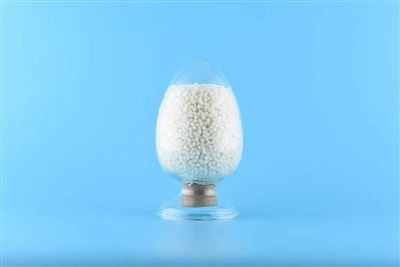
It’s also a good idea to consult with a materials expert or supplier. As a TPEE supplier, I’m always here to help you evaluate your needs and choose the right material for your project. We can provide you with samples, technical data sheets, and even help you with the processing of the material.
TPV If you’re interested in learning more about TPEE or getting a quote for your project, don’t hesitate to reach out. I’d be more than happy to discuss your requirements and see how we can work together. Let’s find the perfect solution for your application!
References
- “Introduction to Thermoplastic Elastomers,” Plastics Technology Handbook.
- “Properties and Applications of TPEE and TPU,” Rubber and Plastics Journal.
- Product data sheets from various TPEE and TPU manufacturers.
Kunshan Kesun Polymer Co., Ltd.
Kunshan Kesun Polymer Co., Ltd. is one of the most professional TPEE manufacturers and suppliers in China, featured by quality products and low price. Please feel free to wholesale bulk eco-friendly TPEE from our factory. Contact us for customized service and free sample.
Address: No.108,Jinmao Road,Zhoushi Town,KunShan ,Jiangsu,China
E-mail: melody_yang@kesuntpe.com
WebSite: https://www.kesun-tpe.net/
