If you’re in the LPG (liquefied petroleum gas) industry, whether you run a small regional gas bottling plant, a mid-sized terminal that moves bulk LPG between storage tanks and distribution fleets, or a larger operation looking to upgrade aging equipment, you’ve probably asked yourself: “Where can I buy an LPG gas compressor?” The answer isn’t a one-size-fits-all Google search. I’ve been an LPG compressor supplier for over 18 years, and I’ve helped hundreds of customers cut through the noise—from rookie plant managers who just need their first set of compressors to seasoned engineers troubleshooting a bottleneck that’s costing them thousands in lost downtime. Let me walk you through the real, actionable places to source these compressors, what to watch for, and how to land a unit that fits your exact needs (without wasting money on overkill or undersized gear). LPG Gas Compressor

First, let’s get one thing straight: LPG compressors aren’t the generic air compressors you pick up at a home improvement store. LPG is a high-pressure, flammable substance that becomes explosive when mixed with air in concentrations as low as 2% in a closed space. That means every component—from the motor to the seals to the pressure relief valves—has to meet strict global safety standards. A cheap, unrated compressor from a random online marketplace might save you a few hundred bucks upfront, but it’s a ticking time bomb. I’ve seen too many customers come to me after a failed purchase: one small bottler in Ohio bought a used compressor from a auction site that wasn’t rated for LPG vapor service, and a faulty seal led to a gas leak that shut their plant down for three days and cost them $12,000 in missed deliveries. So safety and compatibility should always be your first filter, not price.
The most reliable place to start is with specialized LPG compressor suppliers, not general industrial equipment dealers. This is where I come in, but I’m not going to plug my own business directly yet—let me explain why specialized suppliers matter. Unlike general industrial companies that handle compressors for everything from pneumatic tools to chemical processing, LPG compressor suppliers focus exclusively on the unique demands of handling propane, butane, and their mixtures. That means their units are engineered to handle LPG’s specific properties: higher density than air, tendency to vaporize rapidly when pressure drops, and requirements for explosion-proof electrical systems. We (as a specialized supplier) offer three core types of LPG compressors that match most customer needs: positive displacement reciprocating compressors for high-volume bulk transfer, rotary vane compressors for smaller bottling operations, and screw compressors for continuous, medium-pressure service. When you buy from a specialized supplier, you don’t just get a machine—you get technical support that actually understands LPG, not just generic “industrial equipment” specs. For example, when a customer in Mexico reached out to me last year, their local utility had recently changed their LPG pressure requirements for terminal transfers. Our team, which designs compressors specifically for regional LPG distribution, was able to tweak the compressor’s pressure stage in 48 hours to meet the new regulation, something a general supplier would have needed weeks (or months) to adjust for. That’s the value of working with a specialist, not a jack-of-all-trades.
But wait—what if you’re looking for a used compressor to save money for a small startup? That’s a common ask, and I get it: new LPG compressors can range from $15,000 for a small rotary vane unit to over $100,000 for a high-capacity reciprocating bulk transfer compressor. For a new bottling business working on a tight budget, used might seem like the only option. But here’s the catch: not all used LPG compressors are safe, and many sellers won’t disclose critical flaws. I’ve had a first-time plant owner in Texas call me panicking because he bought a used compressor from a machinery auction, and when he hooked it up to his LPG storage tank, the pressure relief valve failed during the first test run. The valve had been improperly serviced after the previous owner’s maintenance, and the auction house didn’t bother to test it. If you do go the used route, only buy from a reputable, specialized industrial equipment broker that actually audits the unit. Look for brokers that have experience with LPG compressors specifically, not just any used industrial gear. Ask for full service history: when was the last time the seals were replaced, was the compressor ever serviced for LPG exposure, and has it been pressure-tested to meet current safety standards? Also, avoid any used compressor that was previously used for natural gas or general air service—those units have seals and components that aren’t rated for LPG, and retrofitting them often costs almost as much as buying new. I always tell customers: if you’re going used, budget at least 20% extra for a professional inspection and any necessary upgrades, otherwise you’re taking a huge safety risk.
Another option is original equipment manufacturer (OEM) distributors. Many big industrial compressor brands (like those that build specialized LPG units) have regional distributors across the world. The benefit here is that distributors have access to genuine parts and factory-trained technicians, which is critical for long-term maintenance. But there’s a downside: distributors often mark up prices by 15-25% to cover their overhead, and they might not offer custom modifications for your specific operation. For example, if you run a remote LPG terminal in a part of Canada with extreme cold, you might need a compressor with a heated crankcase to prevent LPG from condensing and damaging the engine. Most general OEM distributors will only offer standard units, while specialized LPG suppliers (like my team) can custom-engineer that heat feature into the unit for a lower total cost than going through a regional distributor. I’ve also noticed that distributors sometimes push their own inventory over the best fit for your needs—if they have a surplus of a certain model, they’ll try to sell you that even if a different, more efficient compressor would save you 10% on annual energy costs. It’s not that distributors are untrustworthy, but their incentive is to move stock, not to solve your operational pain points.
Wait a second—what about online marketplaces like Alibaba, MachineryTrader, or Global Industrial? I get that these are convenient for browsing, but they’re also full of scams and low-quality units. Last year, a customer from Nigeria reached out to me after ordering a “certified LPG compressor” from an Alibaba seller for $8,000, which was $5,000 cheaper than a comparable unit from a specialized supplier. When the compressor arrived, it had no safety ratings, the motor was not explosion-proof, and the pressure gauge was calibrated for water, not LPG. The seller refused to take it back, and by the time the customer paid for customs and shipping, they’d wasted over $10,000. I’m not saying every seller on these platforms is bad, but there’s no way to verify the quality or safety of the unit without in-person inspection, and most of these suppliers don’t provide the technical support you need to operate an LPG compressor. If you do use these platforms, only buy from sellers that have been in the LPG compressor business for at least 5 years, offer independent safety certification (like ATEX or UL for LPG service), and provide a 12-month warranty. Even then, I’d suggest hiring a third-party inspector to check the unit before you pay—this costs a few hundred dollars, but it’s worth it to avoid a $10,000 mistake.
Now, let’s talk about what you should do before you even start browsing for a compressor. Too many customers reach out to me and say “I need an LPG compressor” without telling me what they actually need it for. Compressors are designed for specific applications, and picking the wrong one will lead to wasted energy, downtime, or safety issues. For example, if you need a compressor to move LPG from a bulk storage tank to small 20-pound barbecue cylinders, you need a low-to-medium capacity rotary vane compressor that operates at 10-15 psi. But if you need to transfer LPG between two 10,000-gallon storage tanks at high speed, you need a reciprocating compressor that can handle 50-100 psi and move 500+ gallons per hour. Another critical detail: LPG is often stored at low pressure in bulk tanks, so your compressor has to be able to pull vapor from the tank, not just pump compressed air. That’s why generic air compressors don’t work—they’re designed to push air, not pull and compress flammable LPG vapor. Before you start shopping, write down three key details: 1) Your application (bulk transfer, bottling, vapor recovery), 2) The volume of LPG you need to move per hour, and 3) Your local safety and regulatory requirements (like ATEX, NFPA 58 in the US, or EN 12845 in the EU). This will narrow your search down to only compressors that fit your needs, and it will also make it easier to get accurate quotes from suppliers.
I also get asked all the time: should I buy new or refurbished? Refurbished units are a middle ground between new and used—most specialized LPG suppliers will take a used compressor, disassemble it, replace all worn seals, valves, and motors, pressure-test it to LPG standards, and offer a 12-month warranty. For customers who want the reliability of a new unit but don’t want to pay full price, refurbished is a great option. Last year, a small gas company in Brazil needed two additional compressors for a new bottling line, and buying refurbished from us saved them 35% compared to new units, without sacrificing safety or performance. The key here is to only work with a supplier that stands behind their refurbished units—if they won’t offer a warranty, it’s not worth the risk.
Now, let’s get to the part you actually care about: how to connect with a reputable LPG compressor supplier that will work with you, not just sell you a machine. When you reach out to a supplier, ask these five questions to vet them: 1) Do all your LPG compressors meet international safety standards (like UL, ATEX, or CSA)? 2) Can you provide custom modifications for my specific application? 3) What kind of technical support do you offer after delivery (installation, maintenance, troubleshooting)? 4) Do you provide on-site training for my staff, because operating an LPG compressor requires specific safety training? 5) What does your warranty cover, and how long is it? A specialized supplier will be able to answer all of these clearly, no vague language. If a supplier can’t tell you exactly which standards their compressors meet, or hesitates to talk about after-sales support, walk away—you’re dealing with someone who doesn’t understand LPG, and that’s a risk you don’t want to take.
For us, as an LPG compressor supplier, our whole business is built around solving your specific problems. We’ve worked with everyone from small family-owned bottlers with a single station to large energy companies with 20+ terminals across three continents. When a customer reaches out, we don’t just send a spec sheet—we ask about their operation, their pain points (like frequent downtime, high energy bills, or safety compliance issues), and tailor a solution that fits their budget and needs. For example, a customer in Australia contacted us last year saying their old compressor was using 25% more electricity than it should, costing them $15,000 a year in extra energy. We designed a new high-efficiency reciprocating compressor with a variable speed drive, which matched their exact volume needs and cut their energy costs by 22% in the first year. That’s the kind of value you get from a specialized supplier, not a generic seller.
I’ve worked in this industry long enough to know that buying an LPG compressor is a big decision—one that affects your bottom line, your safety, and your ability to serve your customers. You don’t want to rush it, and you don’t want to cut corners. The best place to buy an LPG compressor is from a specialized LPG compressor supplier that understands the unique needs of your operation, offers safe, compliant units, and provides the support you need for the life of the machine. Avoid generic online marketplaces, unvetted used equipment, and general industrial suppliers that treat LPG compressors like just another piece of gear.
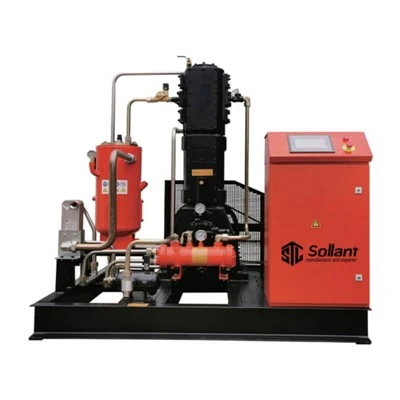
If you’re ready to take the next step—whether you’re replacing an old compressor, setting up a new bottling line, or just have questions about what you need—we’re here to help. We don’t pressure you to buy immediately, we’re happy to walk through your specific needs, answer any safety or technical questions you have, and provide a no-obligation quote that fits your budget. At the end of the day, our business is built on long-term relationships, not one-time sales, so we want you to get the right compressor for your operation, not just the most expensive one.
High-Pressure Booster Air Compressor References
- Compressed Gas Association. (2021). LPG Compressor Safety Standards and Operational Guidelines. CGA Pamphlet P-5, 1–18.
- National Fire Protection Association. (2022). NFPA 58: Standard for Liquefied Petroleum Gas Code. National Fire Protection Association, Quincy, MA.
- European Committee for Standardization. (2019). EN 12845: Fixed firefighting systems – Automatic sprinkler systems – Design and installation. CEN, Brussels.
- International Organization for Standardization. (2020). ISO 14101: Gas compressors for petroleum and petrochemical industries – Safety requirements. ISO, Geneva.
- Machinery Management Association. (2023). Guide to Purchasing Used and Refurbished Industrial Compressors. MMA Technical Report 2023-04, 12–22.
Shanghai Sollant Energy Saving Technology Co., Ltd.
As one of the most professional lpg gas compressor manufacturers and suppliers in China, we’re featured by quality products and good service. Please rest assured to buy bulk durable lpg gas compressor from our factory. Welcome to view our website for more information.
Address: No.215, Songri Center, Beihongqiao, Jiading District, Shanghai, China.
E-mail: info3@sollant.com
WebSite: https://www.sollant-gas.com/
