Hey everyone, if you’re in the gear manufacturing game, odds are you’ve heard of gear skiving—this game-changing process that’s way faster than shaping, way more flexible than hobbing for internal gears, right? But here’s a question I get asked all the time, by new guys just starting out and seasoned pros looking to trim costs: “How long does a cutter in a Gear Skiving Machine actually last?” As a gear skiving machine supplier, I work with shop foremen, production managers, and gear engineers every single week, so I’ve got real-world data, not just textbook stuff, to break this down for you. Gear Skiving Machine
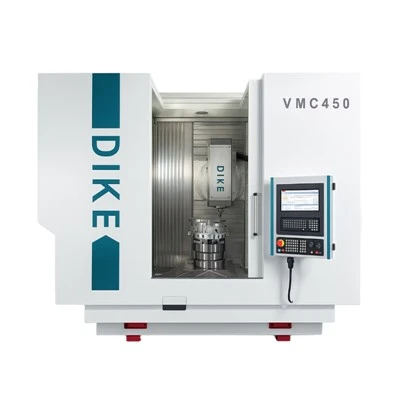
First, let’s get one thing straight: there’s no one-size-fits-all answer. I’ve seen cutters last 50 pieces, and I’ve seen them knock out over 10,000—both in the same facility, same machine, same material. It’s all about a handful of factors that no one talks about enough, so let’s dive into those before I hit the numbers.
Let’s start with the big one: cutter material. This isn’t just “one metal fits all” garbage. Most of the cutters we supply are made from either high-speed steel (HSS) or tungsten carbide. HSS is the budget pick—great for low-volume jobs, soft materials like aluminum or brass, or small shops that don’t run 24/7. It’s cheaper upfront, but it wears way faster. Tungsten carbide? That’s the workhorse for high-volume, tough materials like hardened steel, cast iron, or even powder metal. Carbide is way harder, so it can take way more heat and friction before it starts dulling. I remember a customer in automotive transmission parts—they switched from HSS to carbide cutters two years ago, and their cutter life tripled. Game changer for their bottom line, because changing a cutter mid-run costs way more than the cutter itself.
Next up: workpiece material. If you’re cutting soft, 200 Brinell (BHN) steel, your cutter’s gonna last way longer than if you’re machining 350+ BHN hardened steel, right? Wait, it’s not just hardness—stuff like chip formation matters too. Aluminum chips are gummy, they stick to cutter teeth and cause built-up edge (BUE), which wears the cutter way faster. I had a job last month for an aerospace client cutting 7075 aluminum; their HSS cutters needed changing every 200 parts, but with a titanium nitride (TiN) coating, that jumped to 550. Coatings are another huge factor here—TiN, titanium carbonitride (TiCN), diamond-like carbon (DLC) on non-ferrous, even polycrystalline diamond (PCD) for super hard materials. A good coating can add 30-50% to cutter life, easy.
Then there’s the machine itself. Not all gear skiving machines are equal. If you’re running a beat-up 10-year-old machine with worn spindle bearings, inconsistent feed rates, and a controller that can’t hold tight tolerances, your cutter’s gonna take a beating. Same cutter in a brand-new machine with precision spindle alignment, automated lubrication, and closed-loop feed control? It’ll last way longer. Spindle speed matters too—run too fast for the cutter and material, and you get excessive heat that softens the cutting edge. Too slow, and you rub instead of cut, causing wear. We’ve seen customers that tweak their spindle speed by just 100 RPM add 20% to their cutter life, no joke.
Cutting parameters are next, and this is where most people mess up. Feed rate and depth of cut. If you’re taking a 2mm depth instead of a proper 0.5mm, that’s way more stress on the cutter teeth. Also, flood coolant vs. minimal quantity lubrication (MQL) vs. dry cutting. Coolant isn’t just for keeping the part cold—it flushes chips away, reduces friction, and keeps BUE from forming. I once had a shop running dry on steel; their cutters lasted 1,200 parts. They added proper emulsion coolant, and that jumped to 3,800. That’s a massive difference. Also, skiving angle—get that wrong, and you’re not cutting efficiently, you’re dragging the cutter across the part, wearing it out fast.
Now let’s talk real numbers, because I know everyone wants that. For HSS cutters on soft, non-ferrous materials like aluminum or brass, in a properly set-up machine, you’re looking at 1,000 to 5,000 pieces. If it’s low-volume, low-stakes jobs, that’s totally fine. But for carbide cutters on soft steel (200-250 BHN), same machine setup, you’re looking at 5,000 to 10,000 pieces. Now, hard steel (300-350 BHN) with carbide, proper coating, right machine parameters? That’s 2,000 to 6,000 pieces. PCD cutters for non-ferrous or super hard materials like sintered carbide? We’ve seen those hit 20,000+ pieces, even up to 50,000 in high-volume aerospace jobs.
Wait, but here’s the catch: cutter life isn’t just how many pieces you make. It’s also the tolerances. A cutter might technically “last” for 10,000 pieces, but once it’s dull, your gear teeth will start having too much runout, bad surface finish, maybe even out of spec. Most shops replace cutters when the gear quality drops below AGMA 10, or when they have to slow down the feed rate to keep tolerances tight. That’s why some of my customers will replace a cutter at 7,000 pieces instead of pushing to 10,000, because the downtime from scrapping parts is way more expensive than the cost of a new cutter.
Now, let’s talk about how to actually extend your cutter life, because that’s what you’re here for, right? First, invest in the right cutter for the job. Don’t use an HSS cutter for hardened steel—that’s throwing money away. Second, maintain your machine. We recommend a spindle alignment check every 6 months, lubrication system flushes every 3 months, and feed rate calibration every run if you’re switching materials. Third, get your cutting parameters right. We have a team that works with every customer to set up optimized feeds and speeds for their specific gear—no guesswork, just data that saves you cash. Fourth, use quality coolant, or at least MQL if dry cutting isn’t an option. Clean coolant keeps chips away, reduces heat. Fifth, don’t neglect cutter sharpening or regrinding. A lot of people think once a cutter is dull, you throw it away—but regrinding is a fraction of the cost of a new cutter. Just make sure you’re using a reputable sharpening service, because grinding the teeth wrong will ruin the cutter and your gears.
I can think of a customer that illustrates this perfectly. They’re a small transmission shop, ran an old gear skiving machine for years, using cheap HSS cutters. They were replacing cutters every 800 parts, costing them $150 a cutter, so $1,875 a month just for cutters. We talked them through switching to a carbide cutter with TiCN coating, fixed their spindle alignment, and adjusted their feed rate. Now they’re at 4,200 pieces per cutter, same cutter cost per piece? Way lower. They also started regrinding their cutters, which adds another 2,500 pieces per cutter before it’s time to retire. Their monthly cutter costs dropped by 70%—that’s real, that’s tangible savings.
Wait, but what about common mistakes? I see this all the time: shops run their skiving machines 24/7 without changing cutters until parts start failing. That’s a bad call. Dull cutters don’t just wear out faster—they can cause chatter, which damages the gear blank, maybe even ruins a whole batch of parts. I’ve seen a shop scrap $20,000 worth of parts because a dull cutter caused a gear tooth crack. Far better to schedule a quick cutter change during a shift change than to deal with scrapped parts and downtime.
Another mistake: mixing cutters from different suppliers. If you’ve been using a cheap cutter from a random online shop, then switch to a high-quality one from us, you can’t just take your old parameters and use them. Those cheap cutters have inconsistent tooth geometry, bad coatings, so you have to tweak speeds and feeds to get the most life out of them. We always test new cutters for customers before they jump into production, so they know exactly what to expect.
Now, let’s wrap this up. The average I see across all our customers is 2,000 to 8,000 pieces per cutter, but that’s a super wide range. The key takeaway is: cutter life isn’t a mystery—it’s a mix of cutter material, workpiece, machine condition, and parameters. If you’re looking to get more out of your cutters, or if you’re tired of dealing with inconsistent cutter life and high downtime, we can help. We work with every customer, no matter the size, to tailor the right cutters and machine setup to their specific gear projects, so they save money and get consistent results.

If you’re curious about your own operation—what’s your current cutter life? Are you dealing with frequent cutter changes or scrapped parts from dull tools? Reach out to us, and we can walk through your setup, share customized tips, or even help you test a sample cutter to see how much life you can get. Don’t let cutter costs eat into your profits—we’re here to help you make the most out of your gear skiving process.
Vertical Lathe Machine References
- “Gear Skiving: Process, Technology, and Applications,” Gear Technology Magazine, 2021.
- Cutting Tool Application Handbook, 5th Edition, Association for Manufacturing Technology, 2022.
- Wang, L., et al., “Tool Wear Mechanisms in Gear Skiving of Hardened Steels,” Journal of Manufacturing Processes, Vol. 67, 2021.
- “Cost Reduction Strategies for Gear Manufacturing Shops,” American Gear Manufacturers Association (AGMA), 2023.
Wuxi DIKE CNC Technology Co., Ltd.
As one of the most professional gear skiving machine manufacturers and suppliers in China, we have world-leading production equipment and strong manufacturing capabilities. Please feel free to buy customized gear skiving machine at competitive price from our factory. Also, pricelist is available.
Address: No. 2, Xianshan Road, Qianqiao Street, Huishan District, Wuxi City, Jiangsu Province, China
E-mail: wxdk@wxdike.com
WebSite: https://www.dike-cnc.com/
