If you’re in the business of powering the cables that keep our homes, factories, and smart devices running, you know that the foundation of a reliable cable is the compound wrapped around its core. As a long-time supplier of PE (Polyethylene) cable compounds, I’ve spent the last 12 years observing how global infrastructure, tech innovation, and sustainability shifts are rewriting the rulebook for what cable material buyers need. Over the past year alone, I’ve seen three distinct market trends emerge that are reshaping demand, specs, and even how we work with clients. Let’s break down what these trends mean for anyone involved in cable production, and how suppliers can adapt to them. PE Cable Compounds
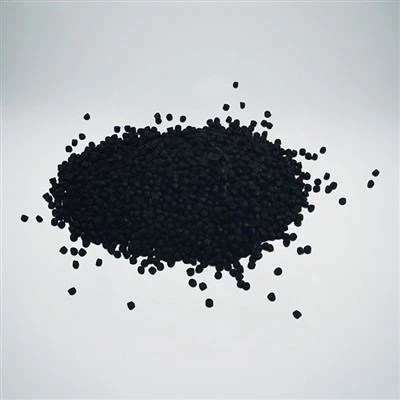
The first trend driving change is the relentless push toward higher-performance PE compounds for mid- and high-voltage (MV/HV) cables, spurred by the global energy transition. As countries shift away from fossil fuels, new wind farms, solar arrays, and grid modernization projects are popping up in remote locations—some on wind-swept coastal plains, others in harsh desert or arctic permafrost. These harsh environments demand cables that can withstand extreme temperatures, UV radiation, moisture, and mechanical stress, and the PE compounds used to insulate and jacket them have to evolve to match. For example, traditional cross-linked polyethylene (XLPE), long the go-to for MV cables, is now being augmented with modified PE blends that boost thermal stability by 15 to 20 degrees Celsius, making them suitable for deep-water offshore installations. I recently worked with a renewable energy client who abandoned a lower-cost standard PE compound because their 2023 trial runs showed a 30% higher failure rate in 100-meter underwater cables; switching to our modified flame-retardant XLPE blend cut their failure rate to near zero. What’s driving this? The International Energy Agency (IEA) reports that global grid investment will hit $1.7 trillion annually by 2030, with 40% of that going to renewable energy transmission lines—so demand for high-performance PE compounds isn’t a temporary blip, it’s a decades-long shift. Even low-voltage (LV) cables used in residential smart grids are seeing changes: more smart meters, EV chargers, and home automation devices mean LV cables need to handle higher electrical loads, leading buyers to opt for PE compounds with higher dielectric strength and resistance to partial discharge, rather than standard general-purpose PE.
The second trend is the growing demand for low- and zero-waste PE cable compounds, as regulatory bodies and corporate buyers tighten sustainability requirements. For years, cable manufacturers treated compound waste as an unavoidable cost: scrap from production lines, off-spec batches, and leftover materials would be sent to landfills or incinerated. But now, European Union’s Circular Economy Action Plan, California’s 2022 Extended Producer Responsibility (EPR) rules for electrical equipment, and even consumer-facing brands (think: major EV makers and utility companies) are mandating that cable materials contain recycled content, and that production waste is kept to a minimum. This has forced PE compound suppliers like us to retool our formulas: we’ve developed recycled PE (rPE) compounds that meet the same electrical and mechanical specs as virgin PE, a feat that was unheard of just five years ago. Early on, rPE had a reputation for inconsistent purity, leading to cable failures, but advances in sorting and purification technology have changed that. I recently worked with a European utility that wanted to use 25% recycled PE in their residential cable jackets; our rPE compound not only matched their durability requirements but also allowed them to count the material toward their corporate sustainability targets, avoiding a 10% EPR fine for non-compliant materials. That said, there’s a catch: not all rPE is created equal. Buyers are now asking for traceability in their recycled content, which means suppliers have to track raw materials from post-consumer plastic waste to finished compound batches. This has created a new line of business for many of us, where we offer supply chain transparency alongside performance specs, a service that many smaller compound suppliers can’t match. The market for rPE cable compounds is projected to grow at a 12% CAGR through 2030, according to a 2024 report from the European Cable Association, making it one of the fastest-growing segments of our business.
The third, and most underdiscussed, trend is the shift toward custom-formulated PE compounds for specialized applications, driven by the rise of niche tech and infrastructure projects. A decade ago, most cable manufacturers bought standard off-the-shelf PE compounds, ordering a few grades for LV, MV, and general use. Today, however, they’re approaching us for custom blends tailored to their specific end products. For example, we recently developed a PE compound with anti-termite properties for a client building cable lines in Southeast Asia, where termite damage is a top cause of cable failure. Another client, a manufacturer of aerospace cables, needed a PE compound that could withstand rapid temperature swings from -55°C to 125°C, something no off-the-shelf grade could deliver. This shift is being fueled by two factors: first, the proliferation of niche applications, from underwater sensor cables to medical device wiring, each with unique requirements, and second, the pressure to reduce material waste. A custom-formulated compound that is optimized for a specific cable will perform better, require less material, and avoid the waste of using a one-size-fits-all grade that doesn’t match the application. For suppliers, this means moving beyond selling a catalog of products to becoming a development partner. We now have an in-house team of chemists who work directly with clients to test, refine, and scale custom compounds, a service that not only drives revenue but also builds long-term loyalty. One of our key clients, a manufacturer of submarine communication cables, has been working with us for three years to tweak our XLPE blend to meet their unique impedance requirements, and they now source 80% of their cable compounds exclusively from us, a relationship that started with a custom formulation request.
Of course, none of these trends come without challenges. High-performance modified PE compounds and custom formulations require advanced manufacturing and testing equipment, which means higher upfront costs, and smaller suppliers may struggle to keep up with the investment needed. Recycled PE compounds, while improved, still face pushback in some sectors where virgin material purity is non-negotiable, especially for high-voltage transmission lines. And with supply chain disruptions still a lingering issue from the pandemic, raw material costs for PE—whether virgin or recycled—can be volatile, leading to price fluctuations that affect both us and our clients. But these challenges are also opportunities. For example, investing in local recycling facilities for PE waste allows us to reduce transportation costs for raw materials, and build a more resilient supply chain. Our focus on custom formulation also means we can target niche markets that larger, less flexible suppliers overlook, like medical wiring cables or space-grade components, where performance and specificity matter more than low cost.
If you’re a cable manufacturer trying to navigate these trends, here’s what you can expect from a reliable PE cable compound supplier. First, look for a partner that can deliver both standard and high-performance grades, with a track record of working on large infrastructure projects. Second, if sustainability is a priority, don’t settle for vague recycled content claims—ask for traceability data, and test sample batches to ensure the rPE meets your electrical and mechanical specs. Third, don’t be afraid to ask for custom formulations; many suppliers (ours included) offer free initial testing to help you refine a compound that fits your specific application, without the risk of wasting time or money on untested blends. As someone who’s spent years in this industry, I can tell you that the best partnerships in cable manufacturing are not just about buying materials—they’re about working together to solve the unique challenges of your projects, whether that’s building an offshore wind farm’s transmission lines, reducing your company’s carbon footprint, or wiring a new medical device.
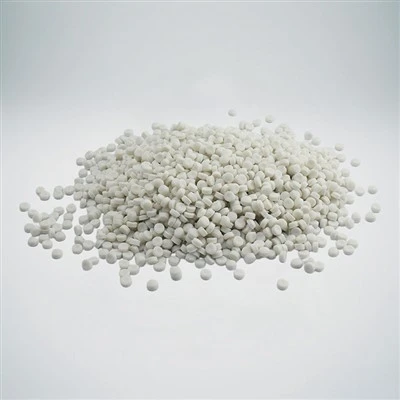
If you’re looking to update your cable compounds, test a new formula, or discuss how to align your materials with the latest market trends, don’t hesitate to reach out to our team to start a conversation. We’re here to help you find the right solution for your specific needs, and support your projects every step of the way.
TPE and TPR Compounds References
- International Energy Agency. (2024). Global Grid Investment Outlook.
- European Cable Association. (2024). Circular Economy in Cable Materials: Market Growth and Opportunities.
- European Commission. (2022). Circular Economy Action Plan: Extended Producer Responsibility for Electrical and Electronic Equipment.
Opta New Materials (Jiangsu) Co., Ltd.
As one of the most professional pe cable compounds manufacturers and suppliers in China, we also support customized service. We warmly welcome you to buy bulk durable pe cable compounds from our factory. If you have any enquiry about free sample, please feel free to email us.
Address: No.80, Jingang Avenue, Zhenjiang New Area, Zhenjiang City, Jiangsu Province, China.
E-mail: le.yin@optachem.com
WebSite: https://www.optanewmaterials.com/
