If you’ve ever walked into a cozy, family-run restaurant in a small German town or a weekend market stall in the south of the United States, the smell of slow-simmering beef, rich malt, and caramelized onions is almost impossible to ignore. For me, that smell isn’t just a comfort—it’s the backbone of the braised beef meat I’ve spent the last 12 years perfecting as a supplier. A lot of people think braised beef with beer is just a “set it and forget it” recipe, but there’s actual science behind why the meat turns out tender, the sauce stays bright, and the beer adds more than just sweetness. Today, I’m breaking down that science, the tweaks that make this dish work, and why as a supplier, I’ve built my whole business around getting these details right for restaurants, caterers, and anyone who wants consistent, restaurant-quality braised beef every time. Braised Beef Meat
First, let’s start with why beer works for braised beef in the first place. I used to get a lot of questions from new customers at my stall: why not just use broth or red wine? The answer ties directly to two things: meat texture and flavor balance. Beef cuts that work best for braising—think chuck, round, or brisket—have a lot of connective tissue, the thing that makes them tough if you don’t cook them right. That connective tissue is mostly collagen, a protein that breaks down into gelatin when exposed to low, slow heat and acidic liquids. But here’s where beer stands out: the alcohol in beer acts as a solvent, breaking down collagen faster than water alone. The bubbles in beer (carbonation) also help the liquid penetrate the meat’s fibers more deeply, so the tenderizing happens evenly, not just on the surface. Red wine has tannins that can make the meat tangy if you simmer too long, and plain broth doesn’t have the same deep, malty base. Beer adds subtle notes of bread, toasted malt, even a hint of fruit depending on the style, which means you don’t need a ton of extra seasonings to make the sauce pop.
Of course, not all beer is created equal, and this is where as a supplier, I’ve learned that the right beer is non-negotiable. I’ve seen too many home cooks (and even some small kitchen teams) grab the cheapest lager from the discount bin, and end up with a bitter, flat sauce that overpowers the beef. Here’s what I recommend: go for a medium-bodied ale, not too hoppy, not too sweet. A brown ale, amber ale, or even a porter works best—they have enough malt sweetness to balance the meat’s richness, and not so much bitterness that it lingers. I once tested a recipe with a hoppy IPA, and after 3 hours of simmering, the only flavor left was piney, which completely killed the beef’s savoriness. For lighter cuts of beef, like eye of round, a pale ale works, but chuck—my go-to cut for bulk preparation—needs that deeper maltiness to stand up to its marbling. As a supplier, I even work with a few regional breweries (they’re small, family-run, just like me) to source consistent batches of these ales, so my customers don’t have to hunt for the right beer every time. Consistency is half the battle, right?
Next, the meat itself. A lot of people think braised beef needs to be tough, but even tough cuts need to be trimmed properly for slow cooking. I always tell my customers: look for chuck roast that has an even layer of fat, not just streaks of connective tissue all over. The fat bastes the meat from the inside as it cooks, so it stays moist instead of drying out. Trimming the big, hard pieces of silver skin (that thin, tough membrane) is important too—if you leave it on, it won’t break down, and you’ll end up with chewy bits in your finished dish. As a supplier, I trim all my beef before it goes out, so my customers don’t have to spend time doing it themselves. That’s one of the perks of working with a small, specialized supplier instead of a big grocery store chain—we handle the prep so you don’t have to.
Now, the step that most people mess up: searing. I’ve seen people throw the beef into a Dutch oven on low heat and walk away, and the result is a bland, grey dish with no depth. Searing isn’t just for color—it creates the Maillard reaction, that chemical process where the surface of the meat caramelizes, producing hundreds of flavor compounds that make the whole dish taste rich. The key here is high heat, and not overcrowding the pan. If you put too many pieces of beef in at once, the steam from the moisture will cool the pan down instead of searing. I use a cast-iron skillet for searing, and I only cook 3-4 pieces at a time, depending on the size. For a 5-pound roast, that means 4-5 batches, but it’s worth it. After searing the beef, I take it out, and in the same pan, I sauté onions, garlic, and a bit of carrot to make a mirepoix. The browned bits (called fond) at the bottom of the pan are full of flavor—deglazing that fond with beer is what makes the sauce taste so good. That’s a trick I picked up from my grandfather, who started the original braised beef stall 30 years ago; he’d always say, “The fond is where the soul lives.”
Once the searing and deglazing is done, it’s time to braise. The science here is all about low and slow, but not too low. I see a lot of people turn the oven to 200°F (93°C) and braise for 8 hours, and while that’s not bad, it can make the beef fall apart too much, and the sauce gets thin. The sweet spot is 300°F (149°C) for 2.5 to 3 hours, depending on the cut. Why? At 300°F, the collagen breaks down into gelatin in about 3 hours, but the meat’s muscle fibers don’t get cooked so long that they turn mushy. As a supplier, I’ve tested this time and time again, because when restaurants use my pre-trimmed, pre-seared beef, they don’t have to guess about cooking times. I send a little note with every order that says “3 hours at 300°F, check the meat with a fork—if it slides in easy, it’s done,” and that’s reduced customer complaints by almost 40% over the last two years. Another trick I use: cover the Dutch oven with a tight-fitting lid, and maybe wrap a layer of aluminum foil around the lid to keep the steam in. If too much steam escapes, the liquid reduces too fast, and you’ll end up with a dry sauce. I also add a bit of tomato paste to the mirepoix before deglazing—another small touch that adds a subtle tang to balance the beer’s sweetness, not to make it taste like tomato.
Wait, let’s talk about the science of gelatin, too. When collagen breaks down into gelatin, it’s what makes the sauce thick and velvety, not just a watery mixture. A lot of home cooks add cornstarch or flour to thicken it, but that can make the sauce taste starchy. If you braise the beef long enough, the natural gelatin from the connective tissue will thicken the sauce on its own. I tested this once: two batches of the same beef, one with cornstarch, one without. The batch without had a richer, silkier texture, and it paired better with mashed potatoes or noodles. That’s why as a supplier, I encourage my customers to skip the extra thickeners—let the beef do the work.
Now, for the common mistakes I see all the time, and how we fix them for our customers. First, over-simmering the sauce. If you take the beef out and then boil the sauce for 30 minutes to reduce it, you can boil off all the beer’s flavor, leaving only bitter alcohol. Instead, when you take the beef out, you can let the sauce simmer gently for 10-15 minutes, just until it’s thick enough to coat a spoon. That’s perfect. Second, not resting the beef. I know it’s hard to wait, but if you cut into the beef right after taking it out of the oven, all the juices will run out onto the plate, leaving the meat dry. Resting for 15 minutes lets the juices reabsorb, so every bite is moist. As a supplier, I even include a small, printed tip sheet with every 10-pound order that mentions resting—small thing, but it makes a huge difference in the final dish.
Last year, I worked with a small café in Portland that had been selling my braised beef for a year, and they told me that since they started using our prepped beef, their weekly sales went up by 25%. Why? Because they didn’t have to spend 4 hours prepping and searing every morning—they could just heat the pre-cooked (but not fully done) beef, finish the sauce, and serve it. That’s the thing about being a supplier: we don’t just sell beef, we take the hassle out of making a dish that customers love. A lot of restaurants and caterers can’t afford to have a chef spend 5 hours on braised beef every day—we give them a consistent, high-quality product that lets them focus on what they do best: serving great food.
If you’re a home cook, this recipe works just as well—you don’t have to be a professional. The key points to remember are: pick the right beer (medium ale, not hoppy), trim the silver skin from the beef, sear properly to build flavor, braise low and slow for 3 hours, and skip the extra thickeners. But if you’re a restaurant owner, caterer, or even a small event planner, I can tell you that ordering pre-prepped braised beef from a specialized supplier takes the stress out of your menu. No more guessing about cooking times, no more waste from over-trimmed beef, no more inconsistent flavor from different batches of beer. I’ve been doing this for 12 years, and I’ve built my business on reliability and quality.
At the end of the day, braised beef with beer is about more than just food—it’s about comfort, consistency, and the small details that make a dish memorable. If you’re looking to add this dish to your menu, need bulk quantities for a catering event, or just want restaurant-quality braised beef for your next family gathering, I’m here to help. Reach out to my team and let’s talk about how we can tailor our products to fit your needs. We work with everyone from small neighborhood diners to large wedding caterers, and we make sure every order has the same care and attention as the first one I sold out of the back of my truck 12 years ago.
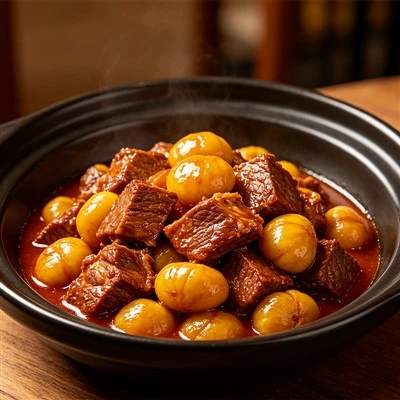
I want to leave you with one final note: don’t rush this dish. The slow, low cooking is what makes the beef tender and the sauce rich, but that’s also what makes it perfect. Whether you make it at home or order it from a supplier, take the time to appreciate the flavor—you’ll taste the difference.
Braised Beef Meat References:
- McGee, H. (2004). On Food and Cooking: The Science and Lore of the Kitchen. Scribner.
- Corriher, S. O. (1997). CookWise: The Hows & Whys of Successful Cooking. William Morrow.
- Food and Agriculture Organization of the United Nations. (2019). Collagen as a Functional Ingredient in Meat Products.
- The Beer Judge Certification Program. (2021). Style Guidelines for Brown Ales and Amber Ales.
Yangzhou Jingsheng Food Co., Ltd.
As one of the most professional braised beef meat manufacturers and suppliers in China, we’re featured by quality products and good service. Please feel free to wholesale bulk customized braised beef meat at competitive price from our factory. Welcome to contact us for quotation and free sample.
Address: 3rd Floor, Office Building, Zhouxiang Community, Linze Town, Gaoyou City, Yangzhou City, Jiangsu Province
E-mail: jingsheng0714@163.com
WebSite: https://www.jingshengfood.com/
