Hey everyone, I’m gonna keep this real ‘cause that’s how we roll over here at the Certified Fabric supplier (no fancy corporate jargon, promise). If you’ve ever stared at a clothing tag that says “organic cotton” or “organic linen” and thought, “Wait, is that just marketing fluff or actually a thing?”, you’re not alone. I get questions like this all the time from designers, small boutique owners, even regular folks who just care about what’s touching their skin (and the planet). Today, let’s break down what organic certified fabric actually is—no confusing technical stuff, just the honest, behind-the-scenes truth from someone who lives and breathes this stuff every single day. Certified Fabric
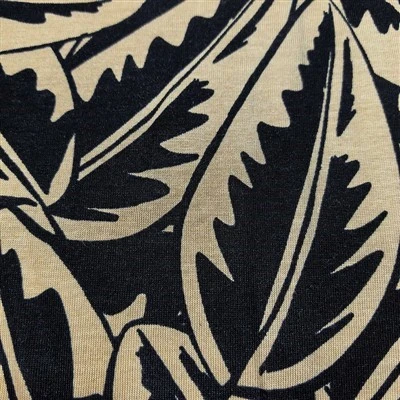
First off, let’s nip the biggest myth in the bud: not every fabric labeled “organic” is actually organic. That’s where the “certified” part comes in, and that’s non-negotiable. See, anyone can slap the word organic on a tag these days, whether it’s cotton, hemp, linen, or even synthetic blends (though synthetic and organic don’t mix, but we’ll get there). Real organic certified fabric has to check every single box from seed to shelf. It’s not just about growing the plant—it’s about every step along the way.
Let’s start with the farm, ‘cause that’s where it all begins. For natural fibers (which are the only ones that can be truly organic, by the way—polyester, nylon, spandex? They’re made from fossil fuels, so there’s no way to grow them organically), you can’t use synthetic pesticides, fertilizers, or GMO seeds. Wait, let me repeat that: no GMOs. None. The soil also has to be free of those harmful chemicals for at least three years before harvesting, so it’s not like you can just convert a regular farm overnight and call it organic. Why does that matter? Regular cotton uses way more pesticides than any other crop—like 25% of the world’s insecticides, according to the data I look at all the time. Those chemicals don’t just disappear; they seep into the groundwater, hurt farmworkers, and even end up on the fabric we wear. Organic farming skips all that, so the fabric you get is free of those toxic residues. That’s a big deal for people with sensitive skin, too—no weird breakouts or irritation from leftover chemicals.
Then there’s the processing part, which is where a lot of cutting corners happen. A lot of people think organic stops at the farm, but nope. After harvesting the fiber (like when cotton is picked or flax is pulled for linen), you have to process it without harsh chemicals, too. No bleach that’s full of chlorine, no toxic dyes that leak into waterways, no synthetic finishes that make fabric feel “stiff” or water-resistant but are actually full of microplastics or harmful fumes. Certified fabric has to use natural dyes (or low-impact synthetic dyes that meet strict standards) and processing methods that don’t pollute. I once had a client come to me complaining that their “organic” t-shirts were still making their kids’ skin itch—turns out the factory they were buying from was using synthetic bleach to brighten the fabric, and since there was no certification, no one was checking. That’s the kind of stuff certified stops dead in its tracks.
So who does the checking? That’s the certification bodies, right? There are a few big ones that are trusted (we only work with the top ones, by the way—no random certificates you can buy online). The most common is GOTS, which stands for Global Organic Textile Standard. GOTS covers everything from farm to final product, and it requires that at least 95% of the fiber is organic (the other 5% has to be non-toxic, too). There’s also OCS, the Organic Content Standard, which is a bit simpler—good if you’re working with a product that’s like 50% organic, not 95%. And then there’s Fair Trade Certified, which pairs with organic to make sure farmworkers get a living wage and safe conditions. We actually work with a lot of Fair Trade organic farms, ‘cause if you’re gonna do good for the planet, you gotta do good for the people growing the fabric, too.
Wait, let’s make this relatable. Let’s say you’re a small clothing brand making sustainable hoodies. You come to me asking for organic certified cotton. I can’t just send you a bale of cotton that a farmer said was “organic.” I have to have paperwork from the farm proving they didn’t use pesticides, paperwork from the processing plant proving they didn’t use toxic bleach, and the fabric has to be tested to make sure there’s no leftover chemical residue. Every single batch has to be audited. That’s why certified fabric costs a bit more than regular fabric, too—there’s a ton of oversight, inspections, and testing that goes into it. It’s not a cash grab; it’s the cost of making sure what you’re getting is actually what it says it is.
I wanna address something else I hear all the time: “Is organic fabric just a trend to charge more?” Look, I get it—brands jack up prices and call everything organic these days. But when you work with certified fabric, the price reflects real standards. Let’s take a quick example: regular cotton uses 2,700 liters of water to make one t-shirt. Organic cotton uses 91% less water, ‘cause you don’t need to water crops that are grown without synthetic inputs that require extra water. That’s not just a stat—it’s actual conservation. So when you buy certified organic fabric, you’re not just getting a softer t-shirt (okay, it is softer, that’s a bonus!)—you’re cutting down on water waste, protecting farmworkers, and keeping toxic chemicals out of the environment.
Another thing: a lot of people ask about blends. Can organic fabric be a blend of organic and regular fibers? Yeah, if it’s certified. GOTS allows up to 5% non-organic fibers, but those have to meet strict environmental standards too—no synthetic stuff, no harmful chemicals. But if you need 100% organic, we do that, too. We work with 100% organic cotton, linen, hemp, even organic bamboo (wait, bamboo is tricky ‘cause a lot of “organic bamboo” is actually processed with harsh chemicals, but certified organic bamboo has to use eco-friendly processing).
Let me also talk about what certified organic fabric isn’t. It’s not “all natural.” All natural just means it’s from a plant or animal, but it doesn’t say anything about how it was grown or processed. It’s not “eco-friendly” unless it’s certified, ‘cause eco-friendly is a vague term. And it’s not a scam—trust me, we’ve seen too many brands get burned when they use uncertified fabric and get caught. We’d never put our name on anything that’s not legit, ‘cause our business is built on trust.
I’ve been in this game for like 8 years now, and one thing I’ve learned is that people are finally getting sick of the greenwashing. No one wants to buy something that claims to be good for the planet but is actually harming it. That’s why more and more designers, boutiques, even big brands are reaching out for certified fabric. They know their customers care about what’s in their clothes, what the fabric was made from, and who made it.
If you’re a designer looking to source fabric, or a boutique owner restocking, or even someone who’s just curious about switching to organic certified fabric, don’t hesitate to reach out. We work with all kinds of clients—small startups, established brands, even makers who need just a few yards for a custom project. We can help you pick the right certified fabric for your needs, whether you’re making t-shirts, linen dresses, or home goods. We’ll send you samples, answer all your weird questions (yes, even the ones about weird stains on organic cotton—we’ve seen it all), and make sure every batch is fully certified.
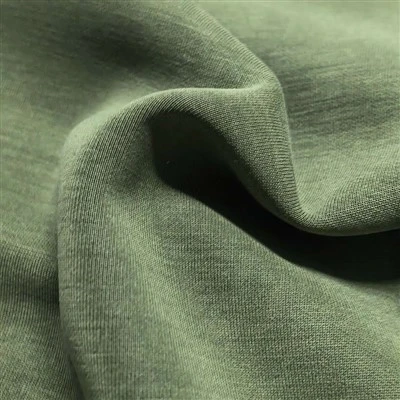
At the end of the day, organic certified fabric isn’t just a product—it’s a promise. A promise that the fabric you’re using is free of toxic chemicals, grown and processed in a way that doesn’t hurt the planet, and that everyone along the supply chain is treated fairly. That’s the stuff that matters, right? Not just looking good, but doing good. If you’re ready to make the switch to certified, hit us up anytime. Let’s chat about what you need.
Linen Fabric References:
Global Organic Textile Standard (GOTS) Official Guidelines. Organic Content Standard (OCS) Documentation. World Health Organization (WHO) Pesticide Use in Cotton Farming Report. Textile Institute Sustainable Textiles Report. US Department of Agriculture (USDA) Organic Certification Requirements for Textile Fibers.
Shaoxing Valu Textile Co., Ltd.
Shaoxing Valu Textile Co., Ltd. is one of the most professional certified fabric manufacturers and suppliers in China. We have world-leading production equipment and strong manufacturing capabilities. Please feel free to wholesale bulk high quality certified fabric made in China here from our factory. Also, custom service is available.
Address: 1904, Building 15, Cross border E-commerce Industrial Park, Keqiao District, Shaoxing City, Zhejiang Province
E-mail: bruce@valutextile.com
WebSite: https://www.valutextile.com/
