Hey folks, Automobile Brake Drum
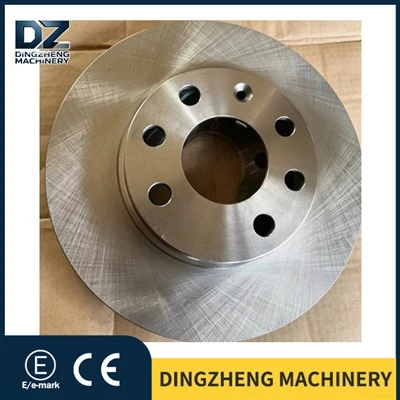
If you’re running a fleet, a busy auto repair shop, or even just managing a few work trucks out on the road, you know how crucial brake drums are to keeping everything safe. But I’ve heard it a hundred times: “My drums are wearing out way too fast—what’s going on?” As someone who’s been supplying auto brake drums for over a decade now, I’ve seen every trick in the book when it comes to premature brake drum wear. It’s not just “bad parts” or “bad luck” half the time—most of the time, it’s something preventable, and it starts with how you use (and maintain) your brakes.
First off, let’s talk driving style. I can spot a lead-foot driver from a mile away, and not just because they’re weaving through traffic hard. Aggressive braking is the biggest culprit here. If you’re slamming on the brakes every time a car cuts you off, instead of coasting and slowing down gradually, your brake drums and shoes are taking a pounding. Here’s why: when you brake hard, the friction surface on the drum has to absorb a huge amount of kinetic energy in a split second. That energy turns into heat, way more than what the drum’s designed to handle for everyday stops. Over time, that repeated sudden heat spike causes what we call “thermal fatigue”—tiny cracks start to form on the inner surface of the drum, and those cracks turn into pits, then eventually wear down the drum way faster than it should. I had a customer last year who ran a delivery van route with stop signs every two blocks—he went through three sets of drums in six months, while a guy with a similar van who did mostly highway stops only replaced his once every two years. That’s the difference right there.
Next up, brake system misalignment. This is a sneaky one because it’s not obvious until you start noticing uneven wear. If your brake shoes aren’t sitting flat against the inner surface of the drum, you’re not getting full contact every time you brake. That means instead of the friction being spread evenly across the entire drum surface, it’s only hitting a small patch. Over time, that patch wears down way faster than the rest, leading to grooves or uneven thickness. Not only does that make your brakes less effective, but it also makes the drums wear out prematurely. I see this all the time with shops that cut corners during brake jobs—they don’t adjust the brake shoes properly, or they don’t resurface the drum when they should, so the shoes don’t seat right. Even a tiny misalignment, like 0.010 inches, can make your drums wear 2x faster. And don’t forget about the axle too—if your axle is bent or has excessive play, that throws the whole brake assembly off, leading to uneven pressure on the drums.
Then there’s the heat issue, but not just from hard braking. Poor heat dissipation is a big one. Brake drums rely on airflow around their outer edges to carry away the heat generated when you brake. If you’re hauling heavy loads without considering how that affects heat, or if the drum is caked in dirt, mud, or road grime, that airflow gets blocked. The heat builds up inside the drum, and as I mentioned earlier, thermal fatigue sets in. For example, if you’re pulling a 10,000-pound trailer and you’re only running standard steel brake drums designed for a 5,000-pound truck, you’re going to have way too much heat buildup. Those drums aren’t built to handle that extra load, so the inner surface wears down in weeks instead of years. I always tell my customers: match your brake drum to your vehicle’s weight and usage—don’t skimp on the right drum just to save a few bucks upfront.
Another thing I see a lot is contaminated brake drums. Dirt, oil, brake fluid, even road salt—if any of these get onto the inner friction surface of the drum, they act like a lubricant instead of a friction material. Wait, that sounds counterintuitive, right? But think about it: if your brake shoes get covered in oil because of a leaking wheel cylinder, or if road salt from winter roads gets packed into the drum, when you press the brakes, the friction between the shoe and the drum is reduced. So what do you do? You press the brake pedal harder, which forces the shoes to rub against the drum with way more pressure than normal. That extra pressure makes the drum wear way faster. I had a customer in a northern state last winter who kept complaining his front drums were wearing out in three months—turns out, he never washed the road salt out of his brake assemblies, and the salt was corroding the drum surface and causing uneven wear.
Worn out or low-quality brake components also play a role. Let’s be real—if you’re using cheap brake shoes that are made with low-friction material, they’ll wear down faster, but they’ll also wear down your drums faster. Hard, gritty friction material on a shoe acts like sandpaper against the drum surface, scraping it away over time. On the flip side, if your wheel cylinders are leaking, as I mentioned before, oil gets on the drum, and that leads to excessive pressure. Also, if you don’t replace your brake shoes when they’re worn thin, the shoes can start to vibrate and beat against the drum, causing accelerated wear. I always recommend using OE (original equipment) or high-quality aftermarket brake shoes when you’re servicing your brakes—cheap ones might save you money now, but they’ll cost you more in frequent drum replacements down the line.
Resurfacing mistakes are another big one. Some shops will resurface a brake drum over and over again, even if it’s already too thin. Every time you resurface a drum, you shave off a little bit of material from the inner surface, which reduces its overall thickness. Drum thickness is super important because it helps with heat dissipation and prevents warping. If a drum is thinner than the manufacturer’s minimum specification, it can’t handle heat buildup, so it warps or wears out way faster. A lot of shops will cut corners here—they’ll resurface a drum that’s already at the limit, just to make a quick buck, instead of telling the customer they need a new drum. I see this all the time, and it’s a waste of money because the drum will fail in a few months anyway. On the flip side, if you don’t resurface the drum when you should, you’re left with uneven surfaces that cause the shoes to wear unevenly, leading to premature drum wear too.
Wait, let’s not forget about corrosion. If you park your vehicle outside all the time, especially in humid climates or where there’s a lot of road salt, the outer and inner surfaces of the brake drum can start to corrode. Corrosion creates a rough, uneven surface on the drum, which makes the brake shoes vibrate and rub unevenly when you brake. Over time, that rough surface wears down the drum faster, and the corrosion can even cause the drum to crack. I had a customer who parked his delivery truck outside in Florida, where humidity is through the roof—his drums were rusted on the inner surface after just six months, and he had to replace them three times a year. The fix? He started parking his truck in a covered garage, and the wear slowed down to normal. It sounds simple, but corrosion is a silent killer for brake drums.
So what can you do to prevent premature brake drum wear? Let’s break it down into quick, actionable steps: First, adjust your driving style—coast when you can, avoid slamming on the brakes. Second, make sure your brake system is aligned properly every time you service your brakes—don’t cut corners. Third, match your brake drum to your vehicle’s weight and usage—if you’re hauling heavy loads or pulling trailers, get drums that are built for that extra load. Fourth, keep your brake assemblies clean—wash off road salt, dirt, and grime regularly, especially in winter or humid areas. Fifth, use high-quality brake shoes and other components—cheap parts might seem like a deal, but they’ll cost you more later. Sixth, don’t let shops resurface drums that are too thin—stick to the manufacturer’s minimum thickness spec, and if it’s over that, resurface it properly. Seventh, park your vehicle in a covered space when you can to prevent corrosion.
Now, as a brake drum supplier, I can tell you that most premature wear issues aren’t about bad drums—they’re about how you use and maintain your brake system. But when you do need new drums, you want ones that are built to last, right? We make brake drums that meet or exceed OE specifications, designed to handle the heat and stress of daily use, with precision machined surfaces to ensure even wear. Whether you’re a fleet manager, a repair shop owner, or a vehicle owner who needs reliable drums, we’ve got you covered.
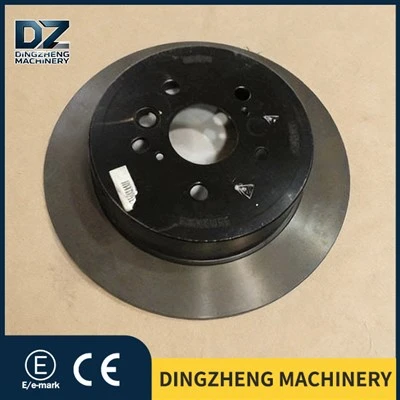
If you’re dealing with frequent brake drum replacements, or you just want to upgrade your brake components to reduce wear, get in touch with us to talk through your needs. We can help you pick the right drums for your vehicle and usage, and answer any questions you have about maintaining your brakes to keep them running longer.
Nissan Series Brake Discs 参考文献:
- Automotive Brake Technology, 5th Edition, by Tom D. Gillespie
- National Highway Traffic Safety Administration (NHTSA) Brake System Maintenance Guidelines
- Brake Industry Association (BIA) Guide to Brake Drum Wear and Maintenance
- Society of Automotive Engineers (SAE) International: Thermal Fatigue Characteristics of Brake Drums
Laizhou Dingzheng Machinery Co., Ltd.
As one of the most professional automobile brake drum manufacturers and suppliers in China, we’re featured by quality products and good price. Please rest assured to buy cheap automobile brake drum for sale here from our factory. We also accept customized orders.
Address: Luan Jia village, Tushan town, Laizhou city, Shangdong
E-mail: AMY@cndingzheng.com
WebSite: https://www.dingzhengbrake.com/
