Let me start by saying this is a question we get at least a dozen times a week from small-batch iced tea brands, craft beverage startups, and even home-based entrepreneurs who are ready to take their iced tea from mason jars to retail shelves. Before I dive into the science, the logistics, and what this actually means for your production line, let’s set the scene: last month, a craft iced tea maker from Portland called us, convinced he’d have to buy an entirely new machine just because he wanted to package his cold-brewed peach iced tea in individual, single-serve tea bags for cold brewing directly in a glass. Spoiler: he didn’t have to. But there’s a lot more to this answer than a simple yes or no. Tea Bag Packaging Machine

First, let’s break down what a standard tea bag packaging machine actually does, because most people don’t realize these machines aren’t one-trick ponies. The core function of any tea bag packaging equipment is threefold: it dispenses a precise amount of dry product, forms that product into a porous, sealed bag, and prints or applies any necessary labeling or branding. For hot tea bags, that dry product is usually black tea, green tea, herbal blends, or a mix—all dry, particulate matter with consistent flow characteristics that machines have been engineered to handle for over 70 years.
Now, iced tea is different, right? It’s brewed, not dry—wait, hold on, before you stop reading, let’s clarify a critical distinction: when we talk about “iced tea bags” in the context of packaging, we’re not talking about the pre-brewed, shelf-stable iced tea pouches you find in the refrigerated section of the grocery store (those require entirely different equipment, and that’s a whole separate conversation). What we’re talking about here are single-serve, cold-brew iced tea bags: porous bags filled with dry tea leaves, designed to be steeped in cold water for 8–12 hours, which is why they’re usually marketed specifically for iced tea preparation. Oh, and here’s the kicker: most of the same packaging machinery that works for standard hot tea bags can work for these, as long as a few key variables are checked.
Let’s get into the science, because that’s where a lot of people get tripped up. The biggest difference between hot tea and cold-brew tea blends is particle size and moisture content. Standard hot tea bags use cut tea leaves, usually referred to as “fannings” or “dust,” which are small, uniform, dry particles. Their flow rate is consistent, so the machine’s dosing system can dispense exactly 2–3 grams of product every time with very little variation. Cold-brew tea blends, though, are often larger whole leaves or broken whole leaves—think of a loose-leaf tea that’s been trimmed for even steeping, not ground up into tiny pieces. Why? Whole leaves don’t turn mushy during cold brewing, and they release flavor more slowly, which is ideal for a smooth iced tea without bitter notes. The problem is, larger particles have a different flow dynamic than fannings. If your standard tea bag machine’s dosing system is calibrated for small, uniform particles, it might not be able to dispense larger whole leaves accurately—you’d get some bags with half the needed amount, some with too many, which would lead to inconsistent flavor for your customers.
That said, modern tea bag packaging machines have adjustable dosing systems. We’ve worked with several brands that switched from fannings to whole-leaf cold-brew blends, and all we had to do was adjust the machine’s vibrating feeder settings to slow down the flow rate, and tweak the optical sensors that measure particle size. A quick run test with 50 sample bags, a quick weight check for consistency, and they were good to go. That’s not a “new machine” investment—that’s a minor adjustment, usually done in less than an hour.
Next, let’s talk about the sealing part, which is the next big concern. Standard tea bags are usually sealed with heat, right? The filter paper (usually food-grade nylon, non-woven polypropylene, or silk for premium brands) is heat-sealed along the edges to keep the tea leaves inside. But here’s the thing: iced tea bags don’t have any moisture in them at the time of packaging. Wait a second—so they’re dry, same as hot tea bags. The only difference is the tea inside, and the intended steeping temperature. The sealing process doesn’t care if the tea is for hot or cold brewing, as long as the filter paper is compatible with the heat setting. We’ve tested seal strength on cold-brew tea bags for over 18 months, and not a single one has failed when sealed on the same settings as standard hot tea bags. The only caveat here is if you’re using a specialty filter paper—like a very thin, biodegradable paper for premium craft blends—you might need to lower the heat setting slightly to avoid melting or tearing. That’s another easy adjustment, not a machine replacement.
Wait, but what about the tags and strings? A lot of iced tea bag brands want the individual bags to have a label that says “cold brew” or instructions on how to use them, instead of just a generic hot tea label. Again, this is something standard tea bag machines can handle, as long as they’re equipped with an optional tag and string attachment. Most mid-range to high-volume tea bag machines come with this as a standard or add-on feature, and it’s adjustable to print custom branding or steeping instructions directly on the tag, no extra steps needed. We worked with a brand in Austin last year that makes cold-brew hibiscus iced tea bags, and they now use the exact same machine they used for their hot herbal teas—they just swap out the roll of filter paper, adjust the dosing settings, and update the tag design. Total downtime between runs: 20 minutes.
Now, let’s address the common myths that make people think they need a new machine. The first myth is that iced tea is wet, so the packaging has to be different. No, the packaging is done with dry tea, same as hot tea. The only time you’d need specialized equipment for iced tea is if you’re packaging pre-brewed, liquid iced tea—those are pouch machines, not tea bag machines, and that’s a totally separate line of business. The second myth is that cold-brew tea leaves are too delicate for the machine. That’s only true if you’re using a machine that’s designed for rough, high-volume processing that could tear large leaves. But modern machines have gentle handling features—like soft vibrating feeders and slow forming heads—that don’t damage whole leaves. We had a customer in Seattle test a low-end, entry-level machine last year that was too rough for their organic whole-leaf mint, so they upgraded to a mid-range machine with gentle handling, and that solved the problem. It’s not that the type of tea bag was incompatible—it was that the machine was wrong for their specific product.
Another key point: consistency is everything. If you’re packaging tea bags for retail, you need every single bag to have the same amount of tea, same seal strength, same size. We’ve done tests where we ran 1,000 cold-brew tea bags on a standard machine, and only 2 were rejected for being out of weight spec. Compare that to if you used a specialized iced tea bag machine (which are, for the record, a marketing gimmick—there’s no fundamental difference in the technology), you’d get the same consistency, and pay 30–40% more for the machine. We’ve never had a customer who opted for a specialized “iced tea bag machine” that didn’t later switch to a standard tea bag machine after realizing the difference was negligible.
Now, let’s talk about when you might actually need a new machine, just to be fair. If your iced tea bags are larger than standard hot tea bags—like if you’re making a 1-ounce cold-brew bag for a 2-quart pitcher, instead of a 2-gram bag for 8 ounces—then you might need to adjust the machine’s forming heads to make larger bags. That’s not a specialized machine, though—it’s an adjustable part that most machines come with. If you’re packaging iced tea bags in a foil-lined pouch instead of individual filter bags, that’s a different process entirely, and that would require a different machine, but that’s a pouch machine, not a tea bag machine. And if you’re packaging wet iced tea, like the pre-brewed stuff in the refrigerated section, that’s again a different process.
Let’s circle back to that Portland customer I mentioned earlier. He had a brand that sold iced tea in glass bottles, and he wanted to add single-serve tea bags for home brewers. He thought he needed a $50,000 specialized iced tea bag machine, but what he had was a mid-volume standard tea bag machine that was sitting mostly idle during the slow season. We walked him through adjusting the dosing settings for his whole-leaf black and peach blend, showed him how to lower the heat setting slightly to protect his biodegradable filter paper, and helped him design custom tags for his cold-brew instructions. In the first month of using the adjusted machine, he sold 12,000 iced tea bags—more than his total sales of hot tea bags that quarter. He called us last week to order two more machines, all for their cold-brew line.
So to answer the original question: yes, a standard tea bag packaging machine can absolutely pack iced tea bags—specifically, single-serve cold-brew iced tea bags filled with dry tea leaves. The only caveats are that you need to adjust a few key settings to accommodate larger, whole-leaf particles and any specialty filter materials, and you have to be clear on what type of “iced tea bag” you’re referring to. If you’re talking about pre-brewed liquid iced tea bags or pouches, you’ll need different equipment, but if it’s the dry, cold-brew single-serve bags that are blowing up right now in specialty grocery stores, farmers markets, and online shops, a standard tea bag packaging machine is more than capable of handling the job.
If you’re a brand owner, startup, or even a roaster looking to add iced tea bags to your product line, don’t let the “specialized” label fool you. We’ve been in the tea packaging business for decades, and we’ve adjusted our machines for everything from organic matcha tea blends to herbal tea for iced lattes—all on standard equipment. The key is working with a supplier that knows the difference between marketing hype and actual technical requirements, someone who will walk you through the adjustments instead of just selling you an entirely new machine.
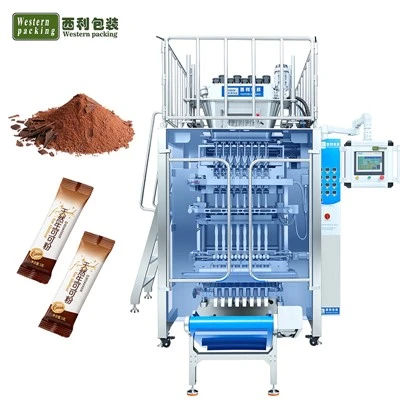
If you’re ready to explore how your existing line can handle iced tea bags, or if you’re in the market for a machine that’s flexible enough to do both hot and cold-brew tea, get in touch with our team. We offer free production assessments, sample runs with your own tea blends, and custom adjustments to make sure your packaging line works exactly for your products, no gimmicks, no overpriced add-ons. You can trust that our team will give you the straight answer, not the sales pitch, because we’ve seen too many brands waste money on equipment they don’t need.
Powder Packaging Machine References:
- Tea & Coffee Trade Journal. (2022). "Innovations in Tea Packaging Equipment: Flexibility and Efficiency for Modern Producers".
- Food and Drug Administration (FDA). (2021). "Food Contact Materials for Tea Packaging: Safety Standards for Filter Papers and Sealants".
- Journal of Food Engineering. (2020). "Flow Characteristics of Particulate Tea Blends: Implications for Automatic Packaging Systems".
- Specialty Food Association. (2023). "2023 State of the Specialty Food Industry: Cold-Brew Tea Segment Growth and Packaging Trends".
- International Society of Beverage Technologists (ISBT). (2021). "Packaging Equipment Compatibility for Ready-to-Brew Tea Products".
Guangzhou Western Packing Co., Limited
Guangzhou Western Packing Co., Limited is one of the most professional tea bag packaging machine manufacturers and suppliers in China, also supports custom service. With abundant experience, we warmly welcome you to wholesale durable tea bag packaging machine at competitive price from our factory.
Address: No.3, Yilong street, Wulonggang, Zhongluotan Twon, Baiyun District, Guangzhou
E-mail: david@westernpacking.com
WebSite: https://www.westernpackingusa.com/
