Yo, what’s up! I’m a guy running a corn processing equipment supply business. Over the years, I’ve seen all sorts of issues pop up with the corn processing gear we sell. In this blog, I’m gonna share how to troubleshoot some common problems that you might face when using our corn processing equipment. Corn Processing Equipment
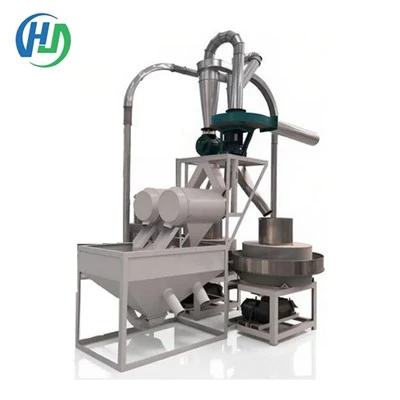
Blockages in the Feeding System
One of the most frequent headaches is blockages in the feeding system. This can happen for a few reasons. Maybe the corn you’re using has a high moisture content. Wet corn tends to clump together, and those clumps can easily get stuck in the feeding tubes or hoppers. Another culprit could be oversized corn kernels or foreign objects mixed in with the corn.
So, how do you fix it? First off, check the moisture level of your corn. If it’s too wet, you might want to dry it out a bit before feeding it into the equipment. You can use a simple moisture meter to check this. If you suspect oversized kernels or foreign objects, stop the equipment immediately. Then, open up the feeding area carefully and remove any visible blockages. Use a long, thin tool like a rod to gently push out any clumps or objects that are hard to reach. And remember, always wear safety gear like gloves when doing this.
Motor Overheating
The motor is the heart of the corn processing equipment, and when it starts overheating, it’s a big red flag. Usually, this is caused by overloading the machine. If you’re trying to process more corn than the equipment is designed for, the motor has to work extra hard, which generates a ton of heat. Another reason could be poor ventilation around the motor. If the area where the motor is located is cramped or full of dust, the heat can’t escape properly.
To deal with motor overheating, first, reduce the load on the equipment. Check the user manual to see the maximum capacity of your machine and make sure you’re not exceeding it. Next, clean the ventilation area around the motor. Remove any dust, debris, or other obstructions that might be blocking the airflow. You can use a compressed air can or a small brush to do this. If the problem persists, it might be a sign of a more serious issue, like a faulty motor component. In that case, it’s best to call in a professional technician.
Uneven Grinding or Milling
If you’re getting uneven results when grinding or milling corn, it can be really frustrating. This could be due to a few factors. One common reason is worn-out grinding or milling parts. Over time, the blades or grinding discs can get dull, which affects the quality of the grind. Another possibility is an improper setting of the grinding or milling gap. If the gap is too wide or too narrow, the corn won’t be processed evenly.
To fix uneven grinding or milling, start by inspecting the grinding or milling parts. If they’re dull or damaged, replace them. You can order replacement parts from us, and we’ll make sure you get the right ones for your equipment. Next, check the gap setting. Refer to the user manual to find the correct gap measurement for the type of grind you want. Use a feeler gauge to adjust the gap if necessary. Make small adjustments and test the machine after each one until you get an even grind.
Belt Slippage
Belt slippage is another common problem in corn processing equipment. This usually happens when the belt is loose or worn out. A loose belt won’t be able to transfer power effectively from the motor to the other parts of the machine, which can slow down the processing speed or even cause the machine to stop working.
To solve belt slippage, first, check the tension of the belt. You can usually adjust the tension by loosening the bolts on the motor mount and moving the motor slightly. Tighten the belt until it has just the right amount of tension – not too loose and not too tight. If the belt is worn out, it’s time to replace it. We carry a wide range of belts that are compatible with our corn processing equipment. Just let us know the model of your machine, and we’ll help you find the right belt.
Noise and Vibration Issues
If your corn processing equipment is making strange noises or vibrating excessively, it’s not something to ignore. Excessive noise and vibration can be a sign of a serious problem, like loose parts, misaligned components, or worn-out bearings.
To troubleshoot this issue, start by turning off the machine and inspecting it for any loose parts. Tighten any bolts or screws that seem loose. Next, check the alignment of the components. Make sure all the parts are properly installed and lined up. If you suspect worn-out bearings, listen closely to the noise. A grinding or squealing noise often indicates a bearing problem. In this case, you’ll need to replace the bearings. We have high-quality bearings available for our equipment, so you can be sure to get a good replacement.
Electrical Problems
Electrical problems can be a real pain in the neck. You might experience issues like the machine not starting, sudden power cuts, or electrical shorts. These problems can be caused by a variety of factors, such as faulty wiring, a blown fuse, or a malfunctioning control panel.
If your machine won’t start, first check to make sure it’s properly plugged in and that the power supply is working. If the power supply is okay, check the fuse. A blown fuse is usually easy to spot – it will have a broken wire inside. Replace the fuse with one of the same rating. If the problem persists, there might be a wiring issue or a problem with the control panel. In this case, it’s best to have an electrician or a professional technician take a look at it, as working with electrical components can be dangerous.
Maintenance Tips to Prevent Problems
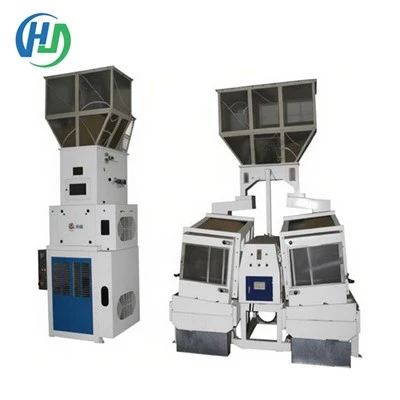
Now, I know all these troubleshooting steps can seem like a lot of work. That’s why regular maintenance is key to preventing these common problems in the first place. Here are some simple maintenance tips:
- Clean the equipment regularly: After each use, clean the corn processing equipment thoroughly. Remove any leftover corn, dust, or debris. This will prevent blockages and keep the machine running smoothly.
- Lubricate moving parts: Some parts of the equipment, like bearings and gears, need to be lubricated regularly. Check the user manual for the recommended lubricant and lubrication schedule.
- Inspect the equipment frequently: Take a few minutes every week to inspect the equipment for any signs of wear and tear. Look for loose parts, frayed belts, or leaking fluids. Catching these issues early can save you a lot of time and money in the long run.
Let’s Talk!
Grain Drying Tower If you’re having any problems with your corn processing equipment or if you’re thinking about buying new equipment, don’t hesitate to reach out. Our team of experts is here to help you out. Whether you need advice on troubleshooting, replacement parts, or just want to learn more about our products, we’re all ears. We’ve been in the business for a long time, and we’re confident that we can provide you with the best solutions for your corn processing needs. So, drop us a line, and let’s start a conversation about how we can make your corn processing operations more efficient and trouble-free.
References
- Various user manuals of corn processing equipment
- Industry knowledge and experience from years of supply and maintenance work
Henan Huinong Machinery Co., Ltd.
Henan Huinong Machinery Co., Ltd. is one of the most professional corn processing equipment manufacturers and suppliers in China, featured by quality products and low price. Please rest assured to buy discount corn processing equipment from our factory. We also accept customized orders.
Address: No. 6, Northeast Corner of the Intersection of Renmin Road and Zhujiang Road, New District, Huaxian County, Henan Province
E-mail: frank.tang@huinongmachinery.com
WebSite: https://www.huinongmachinery.com/
